


What Makes a Durable Notebook?
- Lion Paper Team

- Jun 19, 2025
- 5 min read
Quick Content Reach:
Why Notebook Durability Matters for Buyers
Too many buyers have faced the same issue: a beautifully designed notebook that falls apart within weeks. Cracked spines, torn pages, or curling covers aren't just cosmetic flaws—they lead to costly returns, negative reviews, and eroded brand trust.
Imagine investing in a large bulk order for your retail chain or online store—only to have customers complain that the notebooks arrived damaged or didn't survive daily use. Each failed product doesn’t just waste money—it chips away at your reputation, one unhappy customer at a time.
That's why durability must be a top priority—not an afterthought. From stronger binding and thicker paper to reinforced covers and moisture-resistant finishes, there are proven ways to ensure your notebooks not only look good but last. In this article, we’ll break down what truly makes a notebook durable—so you can make smarter sourcing decisions and protect your brand from avoidable risks.

1. Binding: The Spine That Holds It Together
The binding is often the first point of failure. For long-term durability, here's what our professionals recommend:
Hardcover Case Binding
Strength: Excellent structural integrity, resistant to crushing in transit.
Usage: Ideal for planners, archival journals, or premium branding.
Evidence: At Lion Paper, our hardcover notebooks survive international shipping with less than 0.5% damage rate.
Thread-Sewn Binding
Strength: Allows pages to lay flat, lasts longer than perfect binding.
Usage: Great for sketchbooks and planners that demand frequent opening.
Evidence: Our sewn notebooks passed 10,000 open/close cycles in QC testing.
Spiral Binding (with wire or plastic)
Strength: Flexible and cost-effective, but prone to deformation under pressure.
Usage: Popular for educational or casual notebooks.
Tip: Use thicker double-loop wire for better longevity.
2. Paper Quality: The Core of User Experience
Paper quality isn’t just about feel—it’s about resistance to time, ink, and the environment.
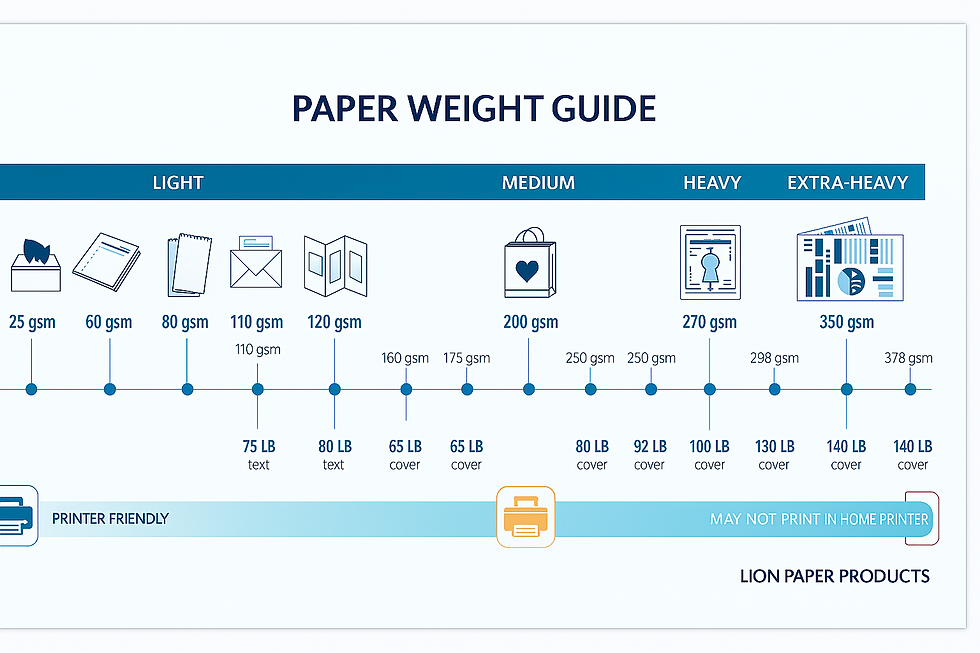
GSM (Grams per Square Meter)
Best Range: 80–100 gsm for general writing; 100–120 gsm for sketching and markers.
Why it matters: Thicker paper resists ink bleed, curling, and tearing.
Evidence: We use 100gsm acid-free offset paper for all our signature planners.
Acid-Free and Archival-Grade
Benefits: Prevents yellowing, ideal for long-term storage.
Evidence: Our acid-free paper passed SGS and EU REACH tests.
3. Cover Durability: First Line of Defense
A durable cover protects the internal pages from environmental factors and mechanical stress.
Leatherette & PU
Benefits: Water-resistant, scratch-resistant, customizable with foil stamping.
Usage: Corporate gifting, executive planners.
Evidence: Used by 60% of our European clients.
Kraft Paper & Recycled Material
Benefits: Eco-friendly, durable when laminated or reinforced.
Caution: Not suitable for humid environments unless treated.
Evidence: Our recycled kraft journals passed a 72-hour humidity test.

4. Design Features that Improve Durability
Rounded Corners
Prevent page curling and damage from backpack or briefcase use.
Elastic Bands and Pen Loops
Keeps contents compact and clean during transport.
Waterproof Lamination / PET Film
Especially useful in tropical, humid, or marine shipment routes.

How to Evaluate a Durable Notebook Supplier
Choosing a supplier that says they offer durable notebooks is easy—what matters is proving it. Here’s how experienced buyers separate marketing fluff from real manufacturing competence.
1. Sample Testing: See it, touch it, test it
Never finalize an order without physically reviewing a sample. A truly durable notebook will pass the following stress checks:
Spine Stress Test: Open and close it at least 50 times—does the binding hold, or does glue flake off?
Cover Compression Test: Press both corners firmly—does the cover bounce back or deform permanently?
Paper Test: Write with pen, highlighter, and marker—check for ghosting, feathering, or bleed-through.
At Lion Paper, we encourage clients to conduct such stress tests. That’s why we ship pre-production samples within 5–7 days, with your actual materials and binding selections.
2. Certification: Don’t just trust words—trust documents
Certifications speak louder than brochures. Reputable notebook manufacturers will hold:
ISO9001 – Proof of systematic quality control
REACH (EU) – Ensures chemical safety compliance
FSC – Verifies sustainable forestry sourcing
CAPRO65/CPSIA (U.S.) – Ensures child-safe materials and heavy metal compliance
These aren’t just badges—they’re entry tickets to global retail and educational supply chains. If a supplier lacks them, you risk non-compliance and customs delays.
3. Video-Proven Quality Control: Transparency in Action
Talk is cheap—proof is priceless.
At Lion Paper, all frontline quality inspectors wear body-worn video recorders during inspection and packaging. This ensures:
Full traceability of each batch
Real-time auditing of critical steps (binding, punching, trimming)
A transparent QC culture that builds buyer trust
Conclusion: Durability is a Value Multiplier
A durable notebook reduces returns, enhances customer satisfaction, and increases brand credibility. As a professional notebook manufacturer with factories in China and Cambodia, Lion Paper helps brands around the world create long-lasting, custom notebooks designed to perform.
FAQs:
Q1: What is the most durable notebook binding?
A: Thread-sewn binding is considered the most durable in many cases. It uses strong cotton or polyester threads to hold the pages together and allows the notebook to lay flat. Unlike glue binding, it resists page drop-off and spine cracking over time.
Q2: Is acid-free paper really necessary?
A: Yes, especially for notebooks that need to last or be archived. Acid-free paper prevents yellowing, brittleness, and ink fading over time. It’s crucial for planners, journals, and sketchbooks with sentimental or professional use.
Q3: How can I test if a notebook is durable?
A: Try folding the cover back, flipping pages repeatedly, and doing a water drop test on the paper. Also, press down on the spine—if it cracks or loosens quickly, it's not well-made.
Q4: What’s the ideal paper weight for durability?
A: For writing notebooks, 80–100gsm is ideal. For sketchbooks or dual-use notebooks with marker pens, go for 100–120gsm. Thicker paper resists bleed-through and tearing.
Q5: How long does a PU cover last?
A: A quality PU leather cover can last 3–5 years under regular use. It resists scratches, moisture, and daily wear—especially when combined with lamination or embossing.
Q6: What certifications should I look for?
A: Look for ISO9001 for quality control, FSC for sustainable paper, REACH and CPSIA for chemical safety, and BSCI for ethical production. These prove a supplier’s reliability and compliance.
Q7: What kind of damage is most common in shipping?
A: Common issues include crushed corners, cover scratches, spine cracks, and ink bleed due to humidity. We can offer packaging solutions to help slove these problems.
Q8: Can Lion Paper provide physical samples?
A: Yes. We offer customized sample production in 5–7 days, including cover material, binding style, and paper selection. Global shipping is available for all samples.
Are you looking for a reliable manufacturer? Reach out to Lion Paper for a free quote and consultation. Let’s collaborate on creating custom writing paper products that will set your brand apart from the competition.


Comments