


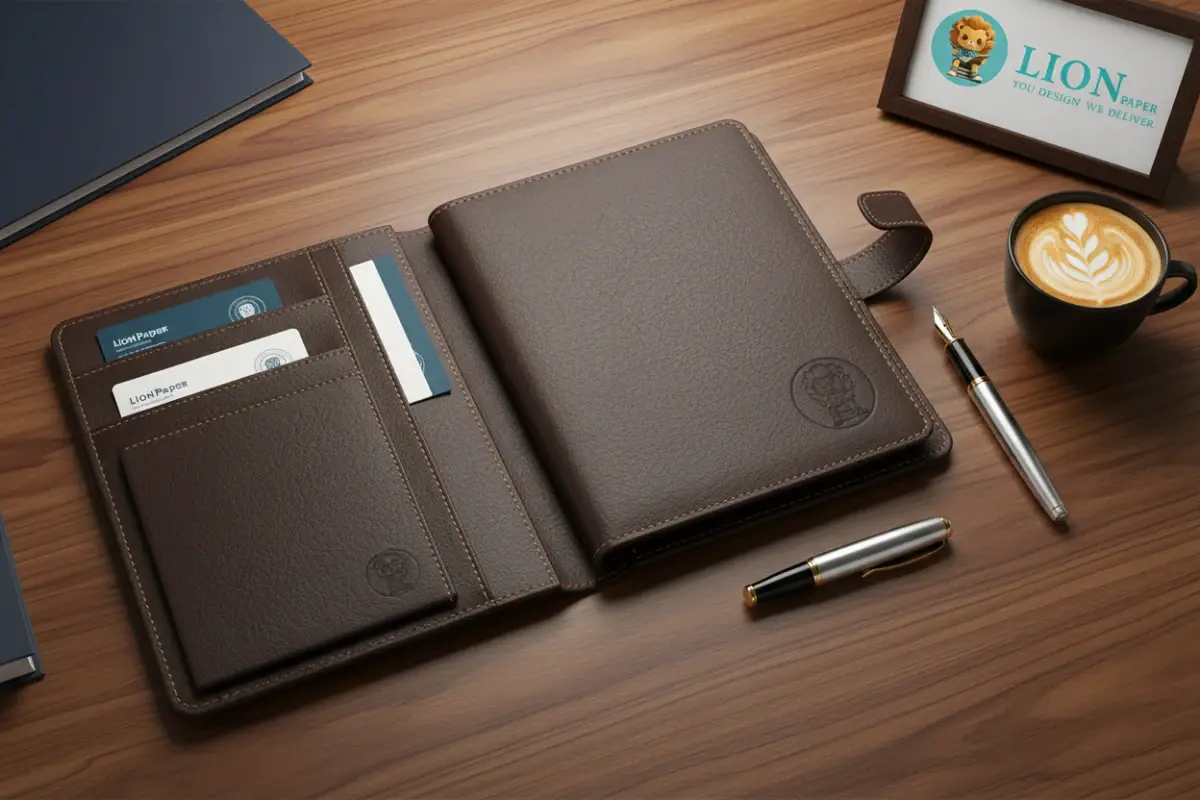
A Professional Guide to Premium Planner Folio Features & Sourcing

To maximize retail and commercial appeal, premium planner folio features must balance robust structural design, functional interior layout (such as multi-use pockets and pen loops), secure closures, and cost-efficient material selection aligned with brand positioning. Successful product development requires optimizing dimensions, durability, and aesthetics to match the target audience's daily productivity needs.
What Are the Key Structural Features of High-Performing Planner Folios?
When developing a professional-grade stationery organizer, structural integrity is paramount. A planner folio must protect its contents—such as notebooks, tablets, and loose papers—while maintaining its shape over months or years of daily use.
Several key structural planner folio features dictate overall performance and longevity:
Spine Width and Flexibility: The spine must be engineered to accommodate the maximum thickness of the planned insert plus accessories without flared edges. A reinforced, flexible spine prevents bowing.
Core Rigid Board Thickness: For hardbound-style folios, manufacturers typically use a greyboard core ranging from 1.5mm to 2.4mm. This provides the necessary rigidity to write on the folio when a desk is unavailable.
Edge Construction Techniques: Brands can choose between turned-edge construction (where the outer material is wrapped over the board and glued/stitched) or raw-edge paint construction. Turned edges offer a classic, high-end look, whereas painted edges provide a modern, minimalist aesthetic.
Construction Element | Turned-Edge Style | Raw-Edge Paint Style |
|---|---|---|
:--- | :--- | :--- |
Aesthetic Appeal | Classic, traditional, premium | Contemporary, sleek, industrial |
Durability | High resistance to corner wear | Highly dependent on paint quality |
Production Lead Time | Standard | Requires multi-coat drying times |
Best Used For | Executive and classic designs | Modern tech-forward designs |

How Do You Balance Aesthetics, Eco-Compliance, and Landing Cost in Material Selection?
Selecting the right cover material determines both the tactile experience for the user and the retail price point. When evaluating a custom planner folio manufacturer, brands must specify raw materials that align with international compliance laws and corporate social responsibility (CSR) mandates.
For high-end lines, leather planner folio specifications usually dictate either full-grain leather, top-grain leather, or split leather. Genuine leather offers unmatched durability and a premium patina over time, making it ideal for executive-level executive gifts and luxury retail lines.
However, for mid-tier markets and brands prioritizing environmental ethics, synthetic and sustainable alternatives are highly popular:
Polyurethane (PU) Leather: A versatile and budget-friendly option that closely mimics the texture and weight of genuine leather.
Recycled and Vegan Microfiber Leather: This material uses post-consumer recycled plastics and plant-based polymers, offering excellent tear resistance and water-repellent properties.
Durable Organic Canvas: Often coated for water resistance, natural canvas creates a casual, academic, or creative look suitable for lifestyle and creator-led brands.
To manage landing costs, many brands leverage a dual-site supply chain strategy. For example, Lion Paper coordinates early-stage development and high-value design prototyping at its 3,000-square-meter facility in Jiaxing, China, before transitioning high-volume production to its 10,000-square-meter Cambodia facility. This dual-site synergy optimizes labor costs and minimizes import tariff impacts for shipments bound for North America and Europe.
What Interior Usability and Layout Elements Drive Retail Success?
An organizer is only as good as its interior usability. In the B2B stationery market, the layout of the interior panels directly influences perceived value and consumer purchasing decisions. When planning a stationery folio organizer wholesale program, look for layouts that offer clean, logical compartments.
Key interior design elements include:
Dedicated Planner Slip Pockets: These pockets must hold the back cover of a spiral-bound or perfect-bound planner securely without slipping out when the folio is opened quickly.
Multi-Tiered Card Slots: Designed to hold business cards, credit cards, or keycards. Slits must be reinforced with non-stretch synthetic linings to prevent sagging over time.
Document and Passport Sleeves: Large slip pockets behind the card slots allow users to tuck away receipts, letters, or travel documents.
Integrated Pen Loops: Elastic-reinforced pen loops accommodate varying writing instrument diameters—from slim steel mechanical pencils to wide fountain pens.
Secure Zippered Pouches: Critical for holding loose items like USB drives, paperclips, coins, or delicate stationery accessories.
By focusing on "Scenario Fit," designer-led and women-forward journaling brands can customize these pockets to accommodate modern accessories like sticker sheets, decorative tapes, and smart styluses.

Which Closure Mechanisms and Hardware Specifications Best Suit B2B Brands?
Closure hardware provides the security that keeps the folio's contents safe. For a successful b2b planner folio design, the closure mechanism must be smooth, durable, and resistant to corrosion or finish-fading.
Common closure options include:
Zip-Around Closures: Providing maximum security, zip-around folios enclose all edges. Specifying premium zipper systems, such as YKK metal or nylon coil zippers (size #3 or #5), prevents split teeth and ensures smooth opening cycles.
Magnetic Flaps: Using hidden neodymium magnets embedded beneath the cover material creates a clean, hardware-free look. The magnet pull force must be carefully balanced so the flap stays shut when full but opens easily with one hand.
Elastic Bands: A cost-effective, modern solution using high-tension, flat elastic woven straps. Best suited for minimalist designs or younger demographic markets.
Metal Snap Buttons: Offers a reliable, classic mechanical closure. Brands should specify anti-rust copper-alloy snaps to prevent oxidation in high-humidity climates.
All hardware should comply with standard safety benchmarks, such as CPSIA and REACH guidelines, ensuring they are free from harmful heavy metals and phthalates.
What Specifications Are Key in a Production-Ready Sourcing Checklist?
To ensure consistent quality across mass-production runs, brands should supply their custom planner folio manufacturer with a comprehensive tech pack. Below is a checklist of critical specifications to outline before starting the sampling process:
Specification Category | Parameter to Define | Commercial Standard/Recommendation |
|---|---|---|
:--- | :--- | :--- |
Dimensions | Outer dimensions, inner pocket depth | Sized precisely to fit A5, B6, or US Letter planners |
Stitching Tension | Stitch density, thread type | 7–9 stitches per inch; high-tensile bonded nylon thread |
Lining Material | Inner fabric, backing board | 190T/210D polyester, velvet lining, or microfiber |
Reinforcements | Interlining boards, corner rivets | Non-woven adhesive sheets to prevent sagging at stress points |
Eco-Certifications | Traceable materials | FSC-certified paper core, GRS (Global Recycled Standard) plastics |
Quality Assurance | Inspection criteria | ISO 9001 standards, AQL 2.5/4.0 limits, unified defect catalogs |

How Should Brands Prepare Their RFQ for a Manufacturing Partner?
When initiating contact with a supply-chain partner like Lion Paper, providing detailed specifications upfront dramatically reduces sample iteration cycles. The design-to-manufacturing integration process works best when the manufacturer receives clear commercial targets.
Your Request for Quote (RFQ) should clearly state your desired target retail price, wholesale margin requirements, and planned initial order volume. Armed with this data, the engineering and sourcing teams can suggest alternative materials, structural adjustments, or packaging modifications to meet your financial objectives without sacrificing overall design integrity.
For example, brands planning seasonal gift sets can integrate their folios with matching notebooks, planners, pens, and custom retail packaging under one cohesive development plan. Working with an agile manufacturing partner that understands scenario-based design ensures that your final products are not just beautifully crafted, but also optimized for shipping weight, retail display, and long-term customer satisfaction.
If you are preparing for your next product line, Share your target customer, retail price and SKU count; Lion Paper can build a coordinated planner/seasonal gift-set development plan.
FAQ
What is the standard minimum order quantity (MOQ) for custom planner folios?
While MOQs vary depending on material availability and design complexity, typical production runs for custom planner folios start at 1,000 to 2,000 units per style. This supports cost-effective sourcing of specialized custom hardware, eco-friendly lining fabrics, and customized cover materials.
Can you match the folio materials to existing corporate brand colors?
Yes. Custom planner folio manufacturers can source PU leather, canvas, and nylon materials matched exactly to your brand's Pantone color specifications. For genuine leather, custom dyeing options are available to align with specific seasonal color palettes.
How does dual-site manufacturing in China and Cambodia benefit international buyers?
This synergy combines China's fast prototyping, advanced material sourcing, and precise design-to-manufacturing coordination with Cambodia's stable, high-volume production lines. This setup helps brands benefit from lower tariff structures, stable labor rates, and reliable shipping schedules to Europe and North America.


Comments