


How to Choose the Best Premium Planner Cover Design for Retail Lines
- Leo Xia

- Jun 26
- 13 min read

The best premium planner cover design for retail lines depends on the target customer, price point, material, surface finish, cover thickness, color palette, and sustainability claims. For most retail planner brands, PU leather, linen fabric, coated paperboard, and soft-touch laminated covers offer the best balance of cost, durability, and shelf appeal. Genuine leather works best for luxury collections, while FSC-certified paperboard and recycled materials suit eco-conscious product lines. A strong retail planner cover should feel good in the hand, protect the inner pages, match the brand’s visual identity, and look attractive on shelves or online product photos.
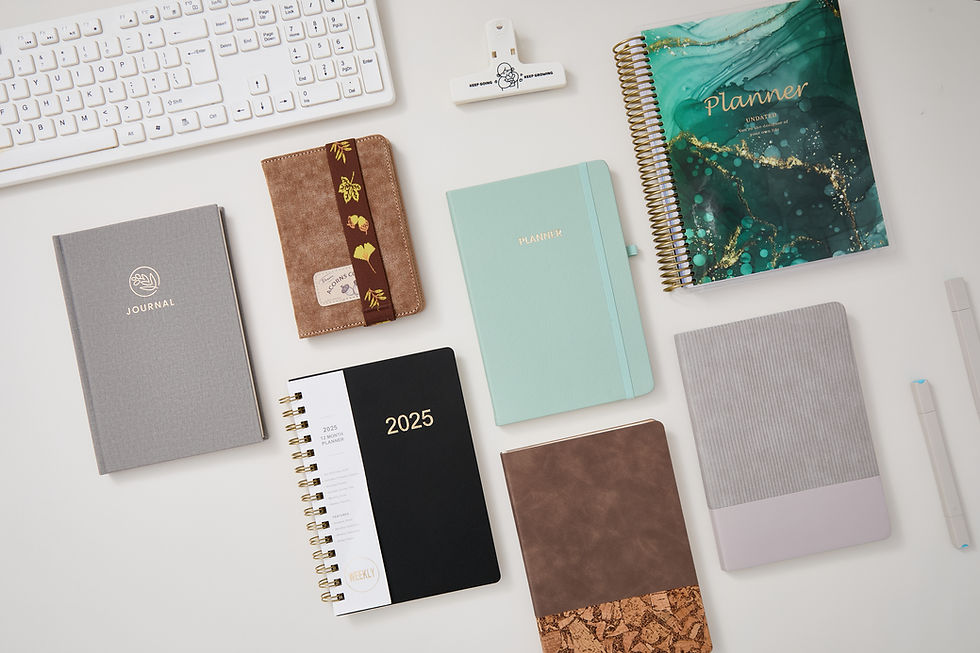
For premium retail planners, the safest design choice is often a rigid or semi-rigid cover with a matte, soft-touch, foil-stamped, embossed, or debossed finish. Color trends now lean toward calm neutrals, warm earth tones, soft pastels, black-and-gold luxury palettes, and clean whites. Pantone named PANTONE 11-4201 Cloud Dancer as its 2026 Color of the Year, describing it as a calming white linked with quiet reflection and focus, which fits well with planner and productivity products.
Quick Content Reach:
Why Premium Planner Cover Design Matters for Retail Success
A planner cover is not just decoration. It is the first thing a customer sees, touches, and judges. In a retail store, the cover must work fast. It has only a few seconds to communicate quality, purpose, and price.
For online retail, the cover plays a similar role. It must look clear in product photos, stand out in thumbnails, and give customers confidence before they click “add to cart.” A weak cover can make a well-designed planner feel cheap. A strong cover can make a simple planner feel gift-worthy.
The stationery market also remains large enough to reward careful product design. Grand View Research estimated the global stationery products market at USD 112.15 billion in 2023, with projected growth to USD 151.96 billion by 2030. That means planner brands are competing in a crowded but active category where design details matter.
How Cover Design Influences Consumer Purchasing Decisions
Customers often use visual and tactile cues to judge quality. A smooth soft-touch cover can feel calm and modern. Linen can feel warm and crafted. Foil stamping can signal a gift-ready or premium product. A thicker hardcover can make the planner feel more durable.
This is why planner cover design should never be treated as a final decoration step. It should be part of the product strategy from the start.
The Connection Between Cover Design and Brand Positioning
A student planner, a corporate planner, and a luxury lifestyle planner should not use the same cover design. Each retail line needs a clear position.
Retail Position | Best Cover Direction | Typical Design Signal |
Budget retail | Coated paperboard or flexible PU | Simple, clean, affordable |
Mid-range lifestyle | Linen, soft-touch, or textured paper | Stylish, giftable, practical |
Corporate gift | PU leather or hardcover paperboard | Professional, branded, durable |
Luxury stationery | Genuine leather, premium fabric, foil | Elegant, long-lasting, refined |
Eco-conscious line | FSC paperboard or recycled material | Natural, traceable, responsible |
Key Factors to Consider Before Choosing a Premium Planner Cover
The right cover depends on the customer and the sales channel. A planner sold in a bookstore may need strong shelf presence. A planner sold on Amazon may need bold photography and clear color options. A private-label planner for corporate gifts may need clean logo placement and a professional finish.
Understanding Your Target Market
Start with the buyer. Ask who will use the planner and why.
A working professional may prefer neutral colors, a rigid cover, and subtle branding. A student may prefer lighter weight, brighter colors, and flexible binding. A boutique stationery customer may value texture, color harmony, and packaging. A corporate buyer may focus on logo placement, durability, and MOQ.
Matching Cover Design with Brand Identity
A premium planner cover should match the brand’s voice. A wellness brand may choose soft neutrals, cloth texture, and gentle typography. A business brand may choose navy, black, gray, or forest green with debossed branding. A fashion-led stationery brand may use seasonal palettes, foil accents, and bold contrast.
Balancing Durability, Functionality, and Aesthetics
A planner is handled often. It goes into bags, sits on desks, and may be used every day for months. That means the cover must do more than look nice.
A good planner cover should:
Resist bending and surface wear.
Protect corners and inner pages.
Feel comfortable during daily use.
Stay aligned with the binding.
Support the planned retail price.
Cover material is the foundation of the product. It affects touch, durability, printing options, color, price, and customer perception.
PU Leather
PU leather is one of the most common choices for premium retail planners. It offers a smooth surface, a leather-like appearance, and good customization options. It works well with foil stamping, debossing, stitching effects, and elastic closures.
PU leather is best for corporate planners, executive planners, private-label planners, and mid-range gift planners. It gives a polished look without the cost of genuine leather.
Genuine Leather
Genuine leather suits high-end planners. It feels rich, ages naturally, and supports a luxury price point. However, it is more expensive, less consistent in texture, and may not fit vegan or animal-free brand values.
Use genuine leather only when the planner is clearly positioned as a luxury item. It works best for limited editions, premium executive gifts, or high-margin retail collections.
Linen Fabric
Linen fabric gives planners a warm, tactile, and crafted feel. It works well for lifestyle, wellness, wedding, home office, and boutique stationery lines. Linen can look more natural than PU and more premium than plain paperboard.
The main challenge is stain resistance. If the planner will be used daily or carried often, test the fabric coating and colorfastness before production.
Coated Paperboard
Coated paperboard is flexible and cost-effective. It can support full-color artwork, patterns, matte lamination, gloss lamination, and spot UV. It is a strong choice for illustrated planners, academic planners, seasonal planners, and budget-friendly retail lines.
When using paperboard, pay close attention to thickness, lamination, corner wear, and edge finishing.
Soft-Touch Laminated Covers
Soft-touch lamination gives paperboard a velvety feel. It is popular because it can make a printed cover feel more premium without changing the core material. It works well for minimalist planners, wellness planners, and modern lifestyle products.
The downside is that some soft-touch finishes may show fingerprints or scuffs. Always test dark colors, especially black, navy, and deep green.
Sustainable and Recycled Materials
Sustainable cover choices are becoming more important, but claims must be clear and backed by proof. FSC explains that chain-of-custody certification verifies FSC-certified material through the supply chain and allows qualified businesses to use FSC labels and trademarks on finished products.
For retail brands, sustainable material options may include FSC-certified paperboard, recycled paperboard, recycled PU, vegan leather alternatives, and plastic-free packaging. Avoid vague claims such as “eco-friendly” unless you can prove exactly what that means.
Comparing Planner Cover Materials
The table below gives a simple starting point for retail product planning.
Material | Premium Feel | Durability | Cost Level | Best For | Watch Out For |
PU leather | High | High | Medium | Corporate and executive planners | Quality varies by supplier |
Genuine leather | Very high | Very high | High | Luxury planners | Higher cost and animal-based material |
Linen fabric | High | Medium | Medium | Lifestyle and boutique planners | Stains and fading |
Coated paperboard | Medium | Medium | Low to medium | Illustrated and seasonal planners | Corner wear |
Soft-touch laminated board | High | Medium | Medium | Modern premium planners | Fingerprints and scuffs |
FSC/recycled board | Medium to high | Medium | Medium | Sustainable retail lines | Claim verification |
Best Material for Different Retail Segments
For mass retail, coated paperboard or soft-touch paperboard is often the best choice. For corporate gifts, PU leather is practical and professional. For boutique stationery, linen or textured paperboard creates a more emotional feel. For luxury brands, genuine leather or premium fabric can support higher pricing.
A finish can change how a planner feels, photographs, and sells. In many retail lines, the finish is what makes the cover feel “premium.”
Matte Lamination
Matte lamination gives a clean, soft look and reduces glare. It works well for modern planners and minimalist designs. It is also easier to photograph than gloss under bright lighting.
Gloss Lamination
Gloss lamination makes colors appear brighter. It is useful for bold artwork, school planners, and colorful seasonal collections. However, it may feel less premium for luxury or professional lines.
Soft-Touch Finish
Soft-touch finishes are popular for premium planner covers because they feel smooth and calm. This finish works especially well with wellness, productivity, and lifestyle branding.
Foil Stamping
Foil stamping adds shine and contrast. Gold, silver, rose gold, champagne, and holographic foils can make a planner feel more giftable. Use foil carefully. Too much foil can make the design look busy.
Embossing and Debossing
Embossing raises the design. Debossing presses it into the cover. Both add tactile value. Debossing on PU leather or fabric can feel refined and subtle, while embossing can make logos or patterns stand out.
Spot UV and Specialty Coatings
Spot UV creates a glossy highlight on selected areas. It works best on matte backgrounds. It is useful for logos, patterns, dates, or small design details. For retail, spot UV should be visible but not overwhelming.
Choosing the Right Cover Thickness
Cover thickness affects strength, hand feel, shipping weight, and retail price. It also affects binding and how the planner opens.
Paper and board specifications are often measured through grammage and thickness. ISO 536:2019 covers the determination of paper and board grammage, while TAPPI/ANSI T 411 describes a method for measuring single-sheet thickness, also known as caliper.
Softcover vs. Hardcover
Softcovers are lighter, cheaper, and easier to carry. They work well for student planners, travel planners, and budget retail lines.
Hardcovers feel stronger and more premium. They are better for gift planners, desk planners, corporate planners, and higher-priced collections.
Common Cover Board Thickness Options
For many retail planners, brands use flexible covers for lower price points and rigid boards for premium lines. A thicker board can improve perceived value, but it may also increase shipping cost and reduce flexibility.
Planner Type | Suggested Cover Direction | Why It Works |
Pocket planner | Flexible or semi-rigid cover | Lightweight and portable |
Student planner | Flexible laminated board | Cost-effective and colorful |
Corporate planner | PU over board | Professional and durable |
Gift planner | Hardcover board with foil | Strong shelf appeal |
Luxury planner | Leather or fabric hardcover | Premium feel and long life |
How Thickness Affects User Experience
A planner that is too thin may bend easily. A planner that is too thick may feel heavy. The best choice depends on how the planner will be used. Daily desk planners can be heavier. Bag-friendly planners should stay lighter.
Premium Planner Cover Color Trends for Retail Lines
Color is one of the fastest ways to connect with customers. It also helps retailers build collections. A strong planner line may include core colors, seasonal colors, and limited-edition colors.
Neutral and Minimalist Colors
White, cream, beige, taupe, gray, and soft black remain strong choices for premium planners. These colors feel calm, clean, and easy to gift. Pantone’s 2026 Color of the Year, Cloud Dancer, supports the move toward calming white and quiet design.
Earth Tones and Nature-Inspired Palettes
Terracotta, olive, clay, sand, warm brown, and muted green work well for wellness, eco, and lifestyle planners. They pair nicely with linen, recycled paperboard, and kraft-style packaging.
Luxury Black, White, and Metallic Accents
Black with gold foil is a classic premium combination. White with silver or champagne foil feels clean and refined. Navy with copper foil can look professional without feeling too formal.
Soft Pastels
Soft pink, lavender, powder blue, mint, and butter yellow work well for lifestyle, student, and gift planners. Pastels are especially useful for spring collections and social media-friendly product photos.
Seasonal and Trend-Driven Colors
Retail brands can use seasonal colors to create newness without changing the whole planner structure. Keep the core material and binding the same, then refresh cover color, foil, and packaging.
Customization Options for Premium Planner Covers
Customization helps a planner line feel owned by the brand. It also supports private-label and OEM orders.
Logo Printing and Foil Branding
Logo placement should be clear but not too large. For premium planners, subtle branding often feels more expensive than oversized logos. Foil logos work well on PU, paperboard, and fabric covers.
Elastic Closures and Pen Loops
Elastic bands and pen loops improve daily function. They also create color contrast. A beige planner with a black elastic band feels different from the same planner with a matching cream band.
Ribbon Markers and Corner Protectors
Ribbon markers add a useful premium touch. Metal corners can protect the cover, but they should match the planner style. Gold corners may suit a luxury planner, while matte black corners may suit a modern business planner.
Custom Packaging for Retail Display
Packaging should match the cover. A premium planner may need a belly band, paper sleeve, gift box, or display tray. For sustainable lines, use simple packaging and avoid unnecessary plastic.
Sustainable Trends in Premium Planner Cover Design
Sustainability is no longer just a trend. It is becoming part of retail product development. McKinsey’s 2025 global packaging research found that price and quality remain the most important buying factors, but sustainability still plays a role in packaging choices across markets.
FSC-Certified Paper Materials
FSC-certified paperboard is one of the clearest sustainability signals for paper-based planner covers and packaging. It is especially useful for brands selling to bookstores, museum shops, corporate buyers, and eco-conscious retailers.
Vegan Leather and Recycled PU
Vegan leather and recycled PU can support animal-free or lower-impact product lines. However, brands should explain the material honestly. “Vegan” does not always mean plastic-free. “Recycled” should state the recycled content when possible.
Eco-Friendly Surface Finishes
If sustainability is a key selling point, avoid finishes that make recycling harder unless they are needed for durability. Use water-based coatings, recyclable paper packaging, and simpler decoration when possible.
Sustainability Claims Retail Buyers Care About
Sustainability claims must be specific. The FTC Green Guides state that environmental marketing claims should be truthful and substantiated, and they apply to labels, advertising, and promotional materials.
Better claims include:
“Cover made with FSC-certified paperboard.”
“Packaging made with 80% recycled paper.”
“Plastic-free outer packaging.”
“Printed with soy-based ink,” when verified.
Avoid broad claims like:
“100% eco-friendly.”
“Green planner.”
“Earth-safe materials.”
Cost Factors That Affect Premium Planner Cover Design
Planner cover cost is shaped by material, finish, labor, tooling, order quantity, and packaging.
Material Selection
PU leather usually costs more than coated paperboard but less than genuine leather. Linen and specialty fabrics may cost more because they need careful handling. Recycled or certified materials may also add cost, depending on availability.
Surface Finish
Every finish adds a production step. Foil stamping, embossing, debossing, spot UV, and edge painting can improve value, but they also add setup cost. For smaller orders, keep decoration simple.
Customization Features
Elastic bands, pen loops, metal corners, ribbon markers, pockets, and custom closures all affect cost. Choose features that improve the user experience, not just the product photo.
Minimum Order Quantity
MOQ affects unit cost. A highly customized cover may require a higher MOQ because materials, molds, dies, or special colors must be prepared. For a first retail launch, it may be smarter to begin with fewer cover colors and stronger core materials.
How to Select the Best Premium Planner Cover for Your Retail Line
The best cover is not always the most expensive one. It is the one that fits the customer, channel, price, and brand promise.
A Practical Planner Cover Selection Checklist
Decision Point | Best Question to Ask |
Target customer | Who will buy and use this planner? |
Retail price | What price must the product support? |
Material | Does the cover feel right for the customer? |
Finish | Does the finish improve value or add clutter? |
Thickness | Will the planner hold up to daily use? |
Color | Does the color fit the season and brand? |
Sustainability | Can every claim be verified? |
Packaging | Will it look good on shelves and in photos? |
Production | Can the supplier repeat the quality at scale? |
Balancing Quality and Cost
For most retail lines, the best starting point is a strong mid-range structure: coated paperboard or PU leather, a matte or soft-touch finish, one premium detail, and clean packaging. Add more complex finishes only after the core product has proven demand.
Common Mistakes to Avoid When Designing Premium Planner Covers
Many planner cover problems happen before mass production. The best way to avoid them is to test samples under real use.
Prioritizing Appearance Over Durability
A beautiful cover that scratches, bends, or peels quickly will hurt the brand. Test covers in bags, on desks, and under retail lighting.
Choosing Materials Without Product Testing
Do not approve a cover based only on supplier photos. Request samples. Check texture, color, smell, edge quality, foil alignment, and corner strength.
Ignoring Retail Display Requirements
A planner may look good alone but weak on a shelf. Think about how colors sit together as a collection. Make sure the title, year, or format is visible enough for shoppers.
Overlooking Long-Term Brand Consistency
Retail buyers like consistency. If one season uses linen, another uses PU, and another uses glossy artwork, the brand may feel scattered. Keep a clear design system.
Conclusion
The best premium planner cover design for retail lines is the one that connects material, finish, thickness, color, cost, and brand identity into one clear product story. A planner cover should look good, feel good, last through daily use, and support the retail price.
For most brands, the winning formula is simple: choose the right material for the customer, add one or two premium finishes, keep colors aligned with the brand, verify sustainability claims, and test samples before production. When the cover feels intentional, the whole planner feels more valuable.
Ready to Create a Premium Planner Cover That Sells?
Your planner cover is more than the first thing customers see. It’s the detail that tells them your product is worth picking up, buying, gifting, and using every day.
Whether you’re developing a retail planner line, a private-label stationery collection, or a custom corporate planner, the right material, finish, thickness, and color can make all the difference.
Need help choosing the best cover design for your next planner project?
Let’s turn your planner idea into a retail-ready product customers will love.
—Leo Xia, CEO, Lion Paper Products
You design, we deliver.
FAQs:
Q1: What is the best material for a premium planner cover?
PU leather is often the best all-around material for premium retail planners because it balances durability, cost, and customization. For luxury lines, genuine leather or premium fabric may be better. For sustainable lines, FSC-certified paperboard or recycled materials are strong choices.
Q2: Is PU leather suitable for premium retail planners?
Yes. Good-quality PU leather can look polished, feel smooth, and support foil stamping or debossing. It is a practical choice for corporate, executive, and mid-range premium planner lines.
Q3: How can I customize planner covers for my retail brand?
You can customize planner covers with logo printing, foil stamping, debossing, embossing, elastic bands, pen loops, ribbon markers, metal corners, custom colors, and retail packaging. Start with the features that support your customer’s daily use.
Q4: Are sustainable planner covers more expensive?
They can be, but not always. FSC-certified paperboard, recycled paper packaging, and simple finishes can be cost-effective. More specialized materials, recycled PU, or custom eco packaging may increase cost. The key is to choose sustainable features that fit the product’s price point.
Q5: What should I test before mass production?
Test color accuracy, cover thickness, corner strength, surface scratches, foil adhesion, binding strength, packaging fit, and shelf appearance. Also test how the cover looks in product photos.
Reference
Pantone Color of the Year 2026
Grand View Research — Stationery Products Market
https://www.grandviewresearch.com/industry-analysis/stationery-products-market
FSC — Chain of Custody Certification
ISO 536:2019 — Paper and Board Grammage Standard
McKinsey — Sustainability in Packaging 2025
FTC Green Guides — Environmental Marketing Claims
Are you looking for a reliable manufacturer? Reach out to Lion Paper for a free quote and consultation. Let’s collaborate on creating custom writing paper products that will set your brand apart from the competition!
About Lion Paper
Company Name: Lion Paper Products
Office Address: 20th floor, Chuangyedasha Building, No. 135, Jinsui Road, Jiaxing City, Zhejiang Province, China
Factory Address: No.135, Xuri Road, Jiaxing City, Zhejiang, China
Email: Leoxia@lion-paper.com
Audit Certifications: ISO9001:2015/FSC/SEDEX SMETA/Disney FAMA/GSV/SQP

Comments