


Frankfurt Paperworld Visitor Guide: A Practical Sourcing Guide for Buyers


If you are searching for a Frankfurt Paperworld visitor guide, the most practical answer is this: Frankfurt remains one of the most valuable destinations for paper and stationery buyers, but you should approach it as a professional sourcing trip, not just a trend visit. Buyers get the most value when they prepare supplier shortlists in advance, schedule focused meetings, compare products across categories, and follow up quickly after the fair.
Today, many buyers still use the term “Paperworld Frankfurt” when searching online. In current official Frankfurt fair positioning, however, the paper, office supplies, and stationery offer is presented through Ambiente and the parallel trade fair environment around it, including Christmasworld and Creativeworld. That is why a smart buyer guide should focus on how to source in Frankfurt effectively rather than treating Paperworld only as a historical fair name.
Quick Content Reach:
Why Buyers Still Search for “Frankfurt Paperworld”
Search behavior and official event branding are not always the same thing. In the paper products, office supplies, and stationery industry, many importers, category managers, and sourcing teams still search for terms like:
Frankfurt Paperworld
Paperworld Frankfurt visitor guide
Frankfurt stationery fair
Frankfurt paper fair for buyers
stationery sourcing fair in Frankfurt
That search behavior still makes sense from an SEO perspective, because the term Paperworld carries strong industry memory. But for article quality and search credibility, your content should explain the current landscape clearly and early.
A helpful way to frame it is this:“Frankfurt Paperworld” remains a useful buyer search term, while the current Frankfurt paper and stationery sourcing experience is closely connected with Ambiente and the wider consumer goods fair ecosystem in Frankfurt.
Why Frankfurt Still Matters for Paper and Stationery Buyers
For professional buyers, Frankfurt is valuable because it compresses market research, supplier comparison, product discovery, and relationship building into one trip.

A well-planned visit helps buyers do four things faster:
compare manufacturers side by side
see how product quality differs in real life
benchmark pricing, packaging, and positioning
understand where the market is moving
That matters whether you buy notebooks, journals, planners, office stationery, writing accessories, school supplies, gifting stationery, or related paper goods.
The current official Frankfurt structure also supports this broader buyer logic. Messe Frankfurt promotes the three consumer-goods fairs together as “One Date. One Place. Three Fairs.” For buyers, that means stronger crossover opportunities between stationery, gifting, creative products, and adjacent retail categories.
Who This Frankfurt Paperworld Guide Is For
This guide is written for:
stationery importers
private label buyers
procurement managers
category managers
product development teams
wholesalers
notebook and planner brands
retailers looking for new paper goods suppliers
It is especially useful if your business needs include:
notebook sourcing
journal and planner development
office and school stationery procurement
packaging upgrades
giftable paper products
sustainable stationery ranges
OEM or ODM supplier evaluation
Before You Go: Set a Real Sourcing Objective
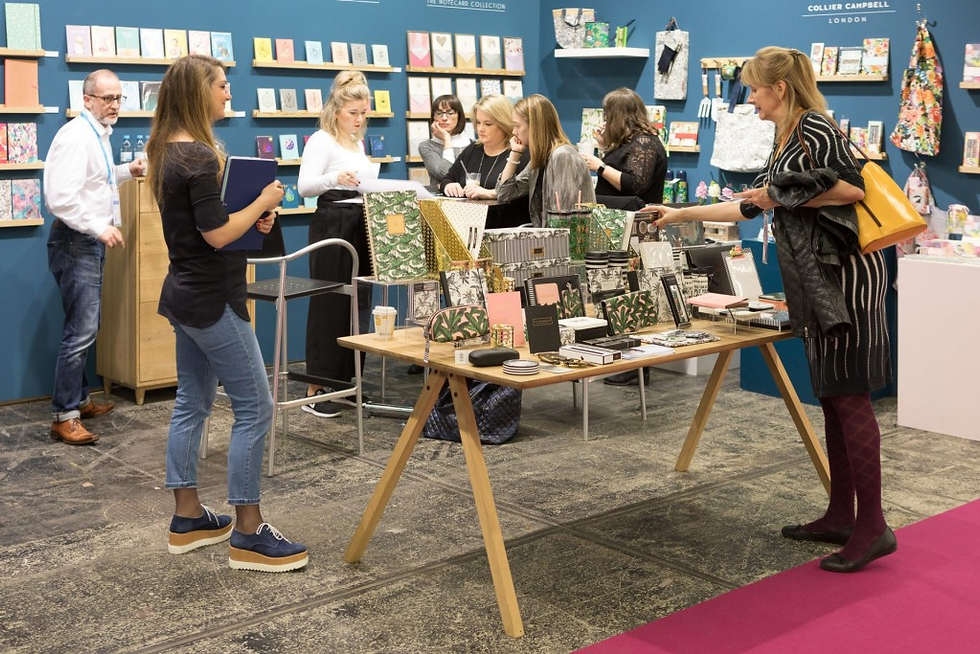
The first mistake many visitors make is going to Frankfurt without a defined buying objective.
“See what’s new” sounds reasonable, but it is too broad. A better objective looks like one of these:
find three new notebook manufacturers for private label development
compare planner suppliers for better binding quality and lower risk
source FSC-oriented or recycled paper ranges
identify premium finishing options for journals and gifting lines
build a backup supplier list for core stationery categories
explore design-led stationery collections for higher-margin retail
The clearer your target, the easier it is to decide which exhibitors deserve serious time.
Build a Shortlist Before the Show Opens
Strong buyers do not start from zero on the show floor.
Use the official Exhibitors & Products search before the trip. Messe Frankfurt explicitly presents it as a preparation tool for visitors, and the official visitor pages also direct attendees to planning information such as exhibitors, products, tickets, and opening details. That makes pre-screening suppliers part of a better buying workflow, not just an optional extra.
Create three lists:
Must-Visit Suppliers
These are the companies that fit your current buying priorities most closely.
Secondary Prospects
These are useful if your first choices do not fit on MOQ, design level, lead time, or compliance readiness.
Trend and Inspiration Booths
These are worth visiting for direction, packaging ideas, merchandising concepts, and collection thinking, even if they are not your final manufacturing partners.
This three-layer method keeps your visit focused without making it too rigid.
Prepare a Buyer Brief for Every Serious Meeting
A one-page buyer brief makes meetings more productive.
Include:
product category
target market
retail positioning
target price level
estimated volume
material expectations
packaging requirements
compliance needs
timeline
customization scope
When a supplier receives clear sourcing information, they can respond with much better answers on feasibility, cost logic, and development options.
It also becomes easier for you to tell the difference between a supplier that is commercially disciplined and one that is simply trying to sound flexible.
What Product Areas Should Stationery Buyers Focus on in Frankfurt?
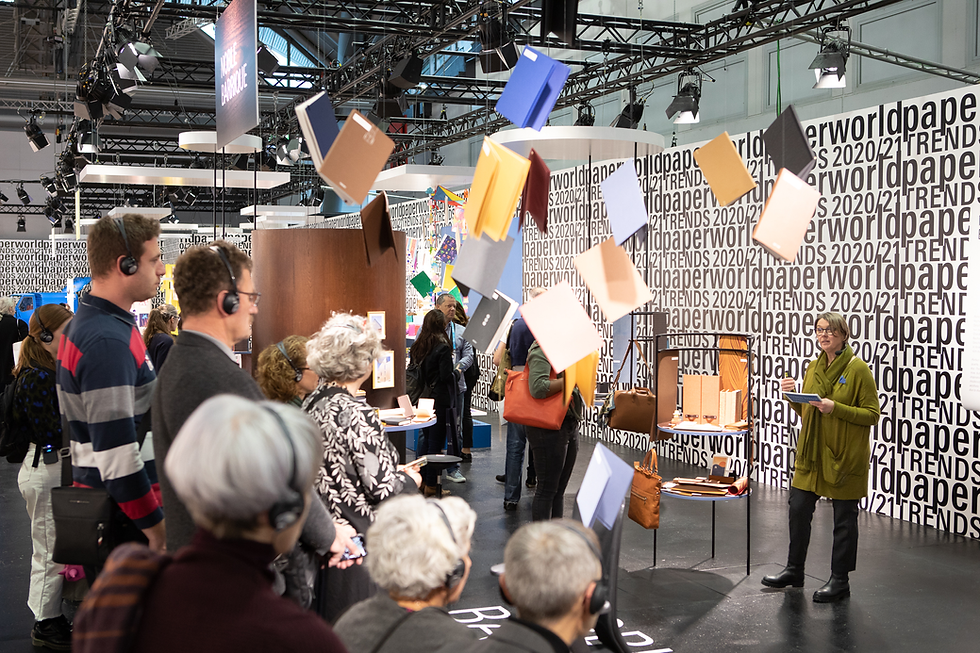
For buyers in paper and stationery, the most commercially relevant areas usually include:
notebooks and journals
planners and agendas
school supplies
writing instruments and accessories
office stationery
memo products
greeting cards and giftable paper goods
seasonal or design-led stationery collections
packaging and display ideas linked to gifting and retail presentation
Officially, the current Frankfurt fair structure places stationery visibility across more than one buying context. For example, Messe Frankfurt highlights Urban Gifts, Stationery & School in Hall 4.2 at Ambiente Giving, where stationery, writing instruments, school supplies, and gift-oriented assortments come together in a way that is especially relevant for retail buyers.
That matters because many buyers today are not only sourcing “pure stationery.” They are also building broader retail assortments where notebooks, giftable desk products, writing tools, and packaged paper goods work together as a collection.
How to Walk the Fair Like a Professional Buyer
The most effective way to visit is by commercial priority, not by visual attraction.
Start with your most urgent category need. If notebooks are your biggest focus, begin there. If your business needs premium gifting stationery, prioritize those suppliers before general exploration.
At every booth, ask yourself:
Does this supplier fit my price architecture?
Can this company support repeat orders, not just samples?
Is the product quality consistent across the range?
Does the supplier understand my market?
Is the booth showing actual category depth or only a few attractive hero items?
Good buyers are not trying to see everything. They are trying to eliminate weak-fit suppliers quickly so they can spend more time on the right ones.
What Buyers Should Ask Suppliers at the Booth
A productive meeting does not require dozens of questions. It requires the right ones.
Start with these:
Are you a manufacturer, trading company, or both?
What are your strongest export markets?
Which categories are your best-selling products?
What is your MOQ by item and by design?
What customization options do you offer?
What is your usual sample lead time?
What is your mass production lead time?
What testing or compliance documentation can you provide?
How do you manage quality control during production?
What kind of customers do you usually serve?
These questions help you evaluate not just product attractiveness, but also supply capability and commercial match.
How to Evaluate a Notebook or Planner Supplier More Accurately
Notebook and planner sourcing often looks simple from a distance, but experienced buyers know that quality problems usually appear in the details.
When assessing products, look closely at:
cover material and durability
board thickness and structure
print registration and color consistency
paper feel and writing performance
ruling or layout accuracy
binding strength
edge finishing
accessory attachment quality
packaging suitability for retail or e-commerce
Then go one level deeper. Ask whether the supplier can keep that same standard across repeat production, larger volume, and seasonal deadlines.
A beautiful sample may prove taste. It does not automatically prove process control.
Sustainability and Compliance Should Be Screened Early
For professional buyers, compliance should not be treated as a late-stage checkbox.
Even at fair level, you should screen for readiness in:
paper sourcing claims
FSC-related understanding
recycled material claims
ink and glue safety awareness
documentation discipline
social audit familiarity
market-specific compliance experience
You do not need to finish full approval at the booth. But you do need to know whether the supplier sounds verification-ready or merely sales-ready.
That difference saves time later.
Take Better Notes or the Show Will Blur Together
One of the most overlooked trade fair skills is structured note-taking.
For each serious supplier, capture:
key categories
standout items
MOQ
approximate pricing direction
strengths
risks
customization flexibility
compliance confidence
next step
contact person
Use the same format for every meeting. That makes later comparison much easier.
A simple 1-to-5 score for product fit, communication, quality consistency, and commercial potential can dramatically improve post-show decisions.
Common Mistakes Buyers Make in Frankfurt
1. Going Without a Sourcing Plan
This leads to random walking, shallow conversations, and weak follow-up.
2. Spending Too Long on Attractive but Unfit Booths
Some booths are excellent for inspiration but not for actual sourcing.
3. Asking Too Few Commercial Questions
If you only discuss design and never discuss MOQ, lead time, compliance, and process control, you are not really evaluating the supplier.
4. Collecting Too Many Samples
Too many loose samples without a ranking system create confusion back at the office.
5. Following Up Too Late
The commercial value of trade fair meetings drops quickly if the supplier does not hear from you soon after the event.
After the Fair: Turn Booth Visits Into Actual Supplier Decisions
The fair itself is only the first stage.
After the trip, sort suppliers into three groups:
Priority A
Move forward immediately with quotations, targeted samples, and document checks.
Priority B
Promising companies, but not yet first choice.
Priority C
Interesting for future reference, but not current sourcing priority.
Then move into structured evaluation:
request quotations
compare lead times
request compliance files
review packaging options
order targeted samples
shortlist suppliers for deeper qualification
This is where the return on a Frankfurt visit really appears.
Is Frankfurt Paperworld Still Worth It for Stationery Buyers?
Yes, absolutely — if you treat it as a sourcing strategy exercise.
The most valuable outcome is not simply discovering new products. It is gaining a sharper view of supplier capability, assortment direction, price architecture, quality standards, and commercial fit in one concentrated visit.
For today’s paper and stationery buyers, Frankfurt works best when you combine three things:
clear pre-show planning
disciplined supplier evaluation
fast post-show follow-up
That is what turns a trade fair trip into a real category advantage.
Conclusion
A strong Frankfurt Paperworld-style visit is not about walking every aisle. It is about making better sourcing decisions than you could make remotely.
For paper and stationery buyers, Frankfurt remains highly useful because it allows you to compare suppliers in real time, spot trend direction early, test supplier credibility face to face, and build a better sourcing pipeline for the season ahead.
Plan like a buyer. Walk like an evaluator. Follow up like a category manager. That is where the real value is.
—Leo Xia, CEO, Lion Paper Products
You design, we deliver.
FAQs:
Q1: Is Paperworld still a standalone Frankfurt fair?
In current official Frankfurt fair positioning, the paper and stationery offer is presented through Ambiente and the parallel consumer-goods fair environment, rather than as a standalone Frankfurt Paperworld event in the old sense.
Q2: Is Frankfurt worth visiting for stationery buyers?
Yes. Frankfurt remains highly valuable for buyers who want to compare suppliers, discover trends, benchmark product quality, and build a stronger sourcing shortlist.
Q3: Who should read this guide?
This guide is for notebook, journal, planner, office stationery, school supply, and gift stationery buyers, as well as procurement managers, importers, private label brands, and product developers.
Q4: What is the best way to prepare?
Use the official exhibitor and product search, build a shortlist, define your sourcing priorities, prepare supplier questions, and follow up quickly after the fair.
Reference
https://ambiente.messefrankfurt.com/frankfurt/en/planning-preparation/visitors.html
https://ambiente.messefrankfurt.com/frankfurt/en/planning-preparation.html
https://ambiente.messefrankfurt.com/frankfurt/en/exhibitor-search.html
https://ambiente.messefrankfurt.com/frankfurt/en/profile/giving.html
https://ambiente.messefrankfurt.com/frankfurt/en/press/press-releases/ambiente/papeterie.html
Are you looking for a reliable manufacturer? Reach out to Lion Paper for a free quote and consultation. Let’s collaborate on creating custom writing paper products that will set your brand apart from the competition!
About Lion Paper
Company Name: Lion Paper Products
Office Address: 20th floor, Chuangyedasha Building, No. 135, Jinsui Road, Jiaxing City, Zhejiang Province, China
Factory Address: No.135, Xuri Road, Jiaxing City, Zhejiang, China
Email: Leoxia@lion-paper.com
Audit Certifications: ISO9001:2015/FSC/SEDEX SMETA/Disney FAMA/GSV/SQP
Comments