


How to Choose the Best Binding Method for Your Custom Journals in 2025

Updated: Jul 4, 2025
Quick Content Reach:
Choose the Best Binding Method for Your Custom Journals
In the world of custom journals, the binding method is more than just a detail—it determines how your journal feels, functions, and lasts. Whether you’re producing corporate planners, retail stationery, or promotional journals, the right binding method can influence your product’s market value and usability.
With evolving design preferences and rising expectations for durability, choosing the right binding option in 2025 is a strategic decision. In this guide, we’ll walk you through all the key binding methods—saddle stitch, perfect binding, case binding, spiral, and Wire-O—so you can match your journal’s purpose with the perfect production solution.
1. Page Count and Thickness
Saddle Stitch
Best for: 8–64 pages
Pros: Cost-effective, simple, and ideal for short-term use
Cons: Not suitable for thick journals

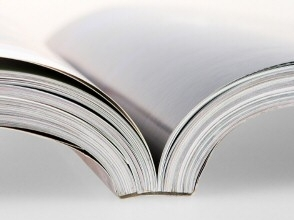
Perfect Binding
Best for: 32–240 pages
Pros: Professional look, flat spine for shelf display
Cons: Less durable over time
Case Binding
Best for: 80+ pages
Pros: High-end, long-lasting, hardcover protection
Cons: Expensive and heavier to ship

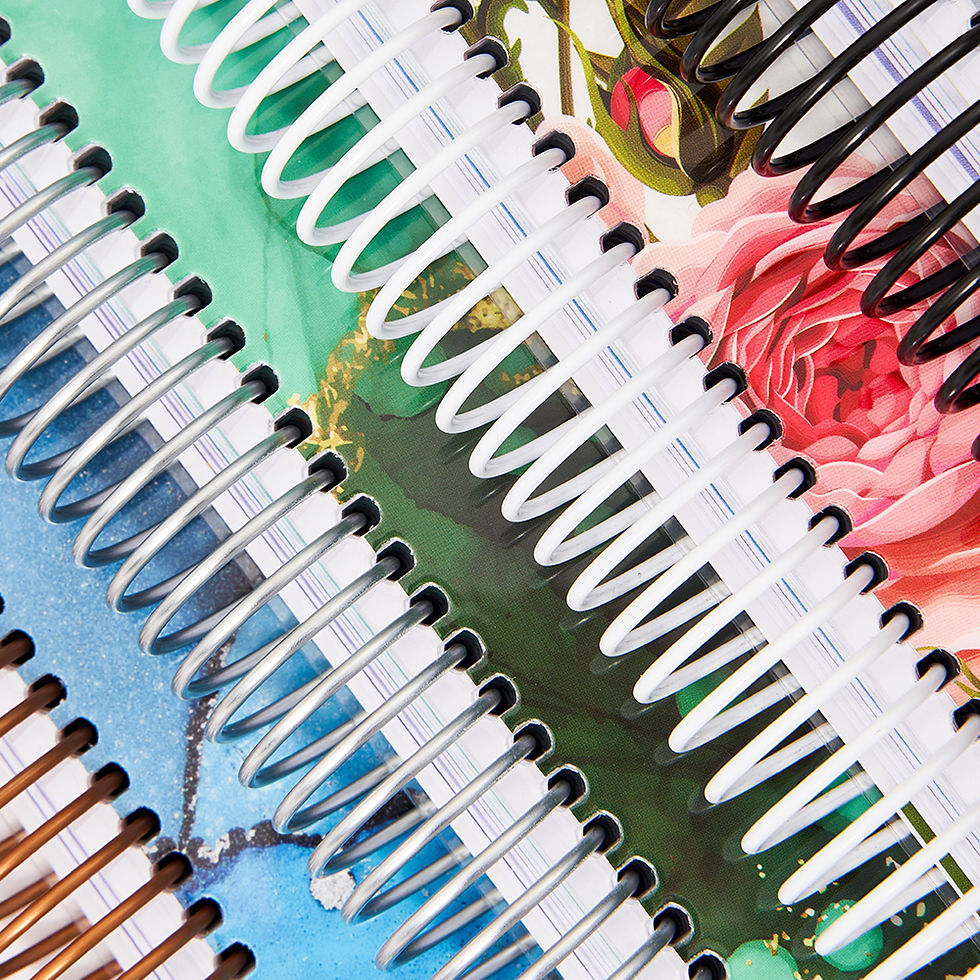
Spiral Binding
Best for: 50–250 pages
Pros: Lays flat, flexible use
Cons: Less premium appearance

Wire-O Binding
Best for: 50–200 pages
Pros: Durable, elegant, and also lays flat
Cons: Higher cost than standard spiral
2. Durability and Intended Use
Saddle Stitch: Great for event programs, seasonal journals, brochures.
Perfect Binding: Suitable for retail or internal corporate use, where semi-durability is needed.
Case Binding: Ideal for luxury journals, high-end gifts, or archival use.
Spiral/Wire-O: Preferred for planners, workbooks, and journals needing constant page-turning.
3. Budget Considerations
Choosing a binding method always involves a cost trade‑off. The table below gives you a quick overview—from entry‑level to luxury—so you can balance budget with brand positioning.
Binding Method | Relative Cost* | Best Use Case |
Saddle Stitch | $ | Budget promos, slim brochures |
Spiral Binding | $$ | Functional planners, workbooks |
Wire‑O Binding | $$‑$$$ | Premium stationery, calendars |
Perfect Binding | $$$ | Retail notebooks, catalogs |
Case Binding | $$$$ | Luxury gifts, archival journals |
*More dollar signs = higher average unit cost per notebook.
4. Aesthetic and Branding Value
Binding style is a reflection of your brand positioning:
Saddle Stitch: Clean and simple
Perfect Binding: Sleek and professional
Case Binding: Luxurious and collectible
Spiral: Creative and practical
Wire-O: Elegant and modern
5. Special Functional Needs
Lay-flat Writing: Spiral, Wire-O, Otabind
Tear-off Pages: Spiral or Perforated pages
Writable on Spine: Perfect binding or case binding
Conclusion: Bind with Purpose, Print with Precision
Every journal tells a story—not just through its pages, but through its structure. Selecting the right binding method enhances user experience, communicates your brand’s quality, and ensures your products stand out. By understanding your audience, use-case, and budget, you can confidently choose the binding that brings your vision to life.
Are you looking for a reliable manufacturer? Reach out to Lion Paper for a free quote and consultation. Let’s collaborate on creating custom writing paper products that will set your brand apart from the competition.
FAQs:
Q1: What’s the most budget-friendly binding method?
A: Saddle Stitch.
Q2: Which binding is best for flat-lay writing?
A: Spiral or Wire-O.
Q3: What’s the most durable option for heavy use?
A: Case Binding
Q4: Can I print on the spine?
A: Yes, with perfect binding or case binding.
Q5: Is Wire-O more expensive than Spiral?
A: Yes, due to better material and appearance.
Q6: How do I start choosing a binding for my journals?
A: Consider page count, budget, function, and brand image.

Comments