


Notebook Material Guide: What Is Coated Paper?

Updated: Oct 30, 2025
Coated paper is paper whose surface is sealed with a mixture of mineral pigments (such as kaolin, calcium carbonate or talc) and binders. The coating gives the sheet a smooth, glossy or matte finish, reduces ink absorption and makes printed colours vivid. Standard coated grades range from 90–170 g/m² with ISO brightness levels between 80–96 % and are used for magazines, high‑quality catalogues and advertising materials en.wikipedia.org. Single‑sided coated stocks (C1S) have coating only on the cover side, while double‑sided stocks (C2S) and special varieties like matte, mirror or wet‑strength papers offer different textures and durability.
Quick Content Reach:
Introduction
Selecting the right paper stock is one of the most consequential decisions you’ll make when developing a notebook or journal. Paper choice influences printing fidelity, writing feel, brand perception, environmental impact and, ultimately, the satisfaction of your customers. Unlike consumer‑grade notebooks, professional buyers and product managers have to balance cost, quality and sustainability at scale. In this guide I’ll draw on two decades of experience in the U.S. stationery market and my work integrating supply chains across China, Cambodia and South Korea to demystify coated paper. We’ll explore its types, specifications, and typical uses, compare it with uncoated stocks and discuss how to select the right grade for notebook covers, inserts and tip‑ins. I’ll also highlight sustainability certifications like FSC and ethical standards (ISO 9001, BSCI/SMETA) that matter to retailers and socially conscious brands. By the end you’ll have a practical checklist you can take straight to your suppliers.
What Is Coated Paper?
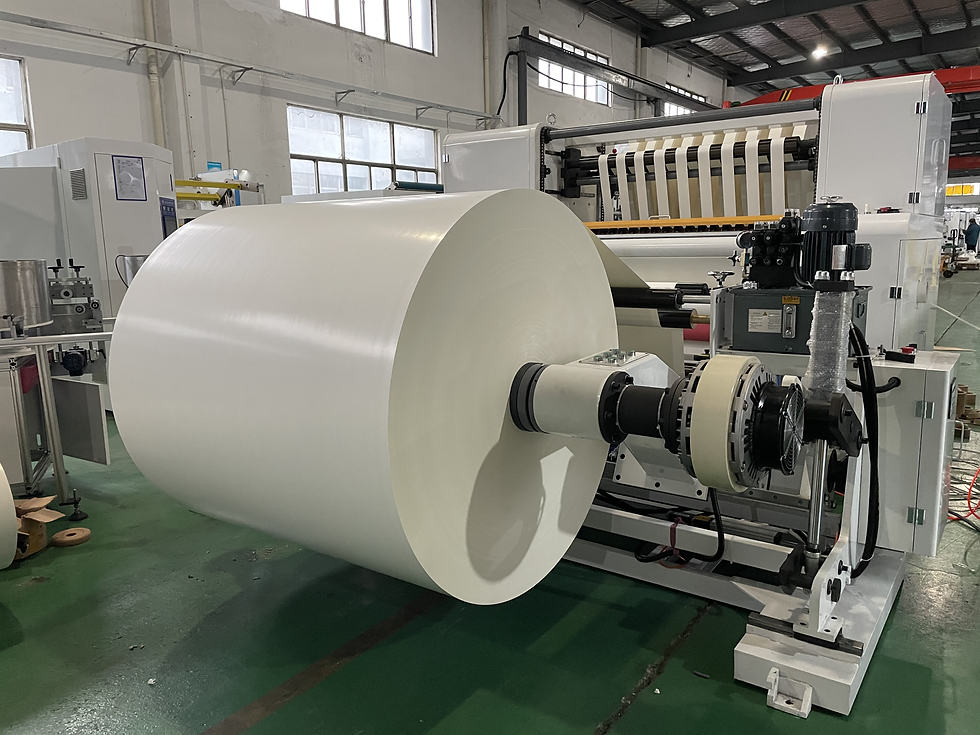
Coated paper is manufactured by applying a layer of mineral pigments bound with synthetic or natural binders to one or both sides of a base sheet. The coating—usually made from kaolin, calcium carbonate, bentonite or talc—adds weight, smoothness and gloss while reducing ink absorption en.wikipedia.org. Because the ink sits on top rather than soaking into fibres, printed colours appear brighter and details sharper. Coated papers also resist dirt and moisture better than uncoated sheets, making them suitable for covers and pages that must endure frequent handling.
Common types
Coated stocks are available in several varieties tailored to different printing and performance needs. Below are the most common types used in printing and notebook manufacturing:
1. Single‑sided coated paper (C1S)
This grade has a coating on one side only. The coated side is calendered to achieve a smooth, bright surface with high whiteness, fast ink absorption and strong colour reflection. The uncoated reverse side is suitable for monochrome or over‑colour printing, making C1S a popular choice for notebook covers that need full‑colour artwork on the outside and simpler printing inside.
2. Double‑sided coated paper (C2S)
Coated and calendered on both sides, C2S stocks offer uniform smoothness, whiteness and ink absorption. Both sides can handle detailed colour printing, so this paper is ideal for full‑colour insert pages, dust jackets and high‑end notebooks where both sides of the sheet require vivid imagery.
3. Single‑sided matte‑coated paper
This high‑grade stock uses a special powder coating on one side that is pressed to create a white, silky surface. The result is extremely smooth yet non‑reflective, producing calm, elegant ink colours after printing. Designers choose single‑sided matte coatings for covers that need a refined, upscale look without the glare of gloss.
4. Double‑sided matte‑coated paper
Made with the same powder coating on both sides, this paper provides a silty, non‑reflective finish that is smooth to the touch and results in muted, sophisticated colours. Both sides can be printed with delicate colour work, making it suitable for premium art journals and planners.

5. Micron paper
Micron paper is an economic coated stock created by coating double‑adhesive base paper on both sides and super‑calendering it. It targets the budget‑conscious segment of the coated paper market, offering reasonable print quality at a lower cost—useful when producing mass‑market notebooks or inserts where affordability matters.
6. Mirror‑coated paper
Mirror‑coated paper is cast against a polished steel roller, producing a surface as bright and smooth as a mirror. Its firm base and bright, white finish make it ideal for printing high‑chroma images with fine dots. The paper is also waterproof and stiffer than standard premium coated stocks, so it’s often used for covers that need to command attention.
7. Wet‑strength coated paper
The base paper undergoes special treatment so that it retains more than 15 % of its dry strength even after soaking in water for an hour. This wet strength makes the stock suitable for maps, nautical charts and field notebooks that may be exposed to moisture.
8. Micro‑coated (light‑coated) paper
Positioned between coated and lightweight papers, micro‑coated paper offers whiteness close to standard coated stock but with a matte surface that doesn’t reflect light. Printed images are easy to read because the non‑reflective surface creates strong contrast between printed and unprinted areas. It’s easy to fold, punch and process without bubbles and is priced more competitively than full‑coated paper, making it popular in Europe for cost‑effective yet attractive printing.
Key specs
Coating materials: Coated papers use mineral pigments such as kaolin, calcium carbonate, bentonite and talc. These pigments are bound to the paper with synthetic latexes or natural starches. Additives like dispersants, resins and polyethylene improve water resistance and wet strength.
Weight & caliper: Standard coated fine papers have grammage between 90–170 g/m² and ISO brightness of 80–96 %en.wikipedia.org. Art papers used for illustrated books and calendars may be triple coated with grammage 100–230 g/m²en.wikipedia.org. In notebook production, popular weights include 80 gsm (0.075 mm thick), 105 gsm (0.09 mm), 128 gsm (0.11 mm) and 157 gsm (0.14 mm). Heavier stocks resist bleed‑through and provide a rigid feel.
Opacity & brightness: Heavier coatings increase opacity, reducing show‑through in multi‑page notebooks. Light papers (80–90 gsm) offer portability but can be translucent; thicker papers (up to 140 gsm) suit sketchbooks or professional pads. Groundwood lightweight paper may have higher opacity than uncoated types.
Stiffness: Mirror‑coated and wet‑strength papers are stiffer due to the coating and special treatments, improving durability.
Finish options: Coated stocks come in gloss, matte and silk finishes. Glossy finishes provide high shine and make colours pop, matte finishes offer a subdued, non‑reflective look, and silk finishes balance smoothness with low sheen.
Typical applications
Because of their smoothness and ability to produce crisp, vibrant images, coated papers are commonly used in:
Magazines, books and catalogues: Standard coated fine papers are used for advertising materials, books, annual reports and high‑quality catalogues. Art papers with higher coat weights are used for illustrated books, calendars and brochures.
Packaging: Coated papers with plastic or polyethylene coatings are used in food and beverage packaging, cups, plates and barrier packaging. Mirror‑coated or wet‑strength papers provide water resistance for labels and luxury boxes.
Notebooks and planners: Single‑sided coated (C1S) papers are popular for covers that need glossy artwork, while C2S and matte‑coated papers are used for tip‑ins, photo pages or dividers that require colour printing. Micro‑coated papers offer a non‑reflective reading experience for inserts.
Marketing materials: Flyers, brochures, business cards and posters benefit from the sharp images and professional look of coated paper.

Coated vs. Uncoated for Notebooks
When planning a notebook, it’s essential to understand how coated paper performs relative to uncoated paper in printing, writing and reading. Uncoated paper lacks the pigment sealing layer, so ink absorbs into the fibres, creating a warmer, natural feel. Each has advantages and trade‑offs.
Print performance
Coated paper absorbs less ink, keeping ink on the surface and producing sharper images with bright colours. The smooth finish accentuates detail and conveys professionalism. Uncoated paper, by contrast, absorbs more ink; colours may appear darker and images can be slightly fuzzy. However, uncoated stock is excellent for pressure‑based embellishments like embossing and debossing because the fibres haven’t been compressed.
Writing experience
The glossy surface of coated paper makes writing difficult; pen ink can smear and markers can bead on the surface. Matte or silk finishes improve writeability slightly, but coated stocks are rarely used for pages meant to be written on. Uncoated paper offers a tactile surface that works well with pencils, pens and markers. It’s the go‑to choice for journals, diaries and workbooks.
Reading experience
Uncoated paper is generally easier to read because there’s no reflective surface—no glare or sheen. Readers experience less eye strain, especially in bright lighting conditions. Coated paper’s shine can make text difficult to read in certain angles, though matte coatings mitigate the effect.
Comparison table
Aspect | Coated paper | Uncoated paper |
Print performance | High colour accuracy and sharpness; ink sits on surface and produces vivid images | Ink is absorbed into fibres; colours appear darker and images less sharp |
Writing experience | Slick surface can cause pen ink to smear; not ideal for note‑taking | Natural texture accepts pencil, pen, marker and crayon without smearing |
Readability | Glossy finish may create glare; matte coatings improve readability somewhat | Non‑reflective surface reduces eye strain and improves readability |
Durability | Greater resistance to moisture, dirt and tearing; lower bulk due to compressed fibres | Lower water resistance; fibres are less compact and more susceptible to wear |
Cost | Typically higher price per sheet; heavy coatings and specialty finishes increase cost | Often less expensive; heavier weights and special finishes still cost more |
How to choose
For notebooks where printed imagery or photographs are critical—such as photo journals, recipe books or colour charts—coated inserts (C2S or matte‑coated) ensure your graphics pop. If your product is primarily for writing (journals, planners, sketchbooks), choose uncoated paper for the interior pages and reserve coated stocks for covers or special tip‑ins.
Selecting Coated Paper for Notebook Projects
Once you’ve decided to use coated paper, the next step is to tailor the grade, weight and finish to your specific notebook project.
Covers
A cover is your product’s first impression. Coated stocks like C1S and C2S are popular for covers because they provide a clean canvas for high‑resolution artwork. Choose the finish based on the feel you want to convey:
Gloss: High shine and strong colour saturation. Ideal for dynamic designs and marketing‑oriented covers, but may show fingerprints.
Matte: Non‑reflective, sophisticated finish. Suitable for premium journals and business planners.
Silk (or satin): A balance between gloss and matte, offering a subtle sheen and smooth touch.
For covers, weights of 128–157 gsm deliver a rigid feel without adding excessive bulk. Mirror‑coated paper can create an eye‑catching, mirror‑like effect for limited editions. When printing only on the outside, opt for C1S; if you need printing on the inside cover, select C2S. To protect the cover and enhance tactility, you can apply laminations (gloss, matte or soft‑touch), varnish or spot UV coatings. These finishes add durability and elevate your brand perception.

Inserts and tip‑ins
Coated inserts are best reserved for pages that require photographic reproduction, high‑resolution graphics or colour charts. For example, wedding planners often include colour swatches, while journals may have mood boards or recipe images. The Walsworth study notes that coated paper holds ink on the surface, producing sharper images with less bleeding, but writing on it is frustrating because pen ink smears. Therefore, limit coated inserts to photo pages and keep the main text pages uncoated for a pleasant writing experience.

GSM & thickness guide
Notebook buyers often ask about the ideal paper weight. Here’s a quick guide:
Lightweight (75–90 gsm): High page count notebooks (e.g., 200 pages) benefit from lightweight paper. It offers portability and a higher PPI (pages per inch), but may allow some show‑through.
Standard (90–120 gsm): Great all‑rounders for daily note‑taking. At this weight, the sheet feels substantial without being bulky. Standard journal paper often falls within this range.
Premium/Gift (130–157 gsm): For gift‑oriented journals or sketchbooks, heavier stock provides a rigid, luxurious feel and resists bleed‑through. 128 gsm and 157 gsm as common thicknesses for coated paper.
Always check the paper’s caliper (thickness) because papers with the same GSM can vary in thickness due to differences in fibre density. When selecting weights for full‑colour printing, choose heavier stocks to prevent bleed‑through.

Finishing options
Finishing turns a good notebook into a great one. Popular options include:
Lamination: Coating the cover with a thin plastic film provides protection and enhances the tactile feel. Gloss lamination increases shine, matte lamination creates a velvet‑like surface, and soft‑touch lamination offers a rubberised feel.
Varnish & UV coating: A clear liquid applied over the printed surface. UV coating cures instantly and adds high gloss, while conventional varnish offers a subtle sheen.
Soft‑touch coating: A specialty finish that provides a luxurious, suede‑like texture. It pairs well with matte paper for premium notebooks.
Embossing/debossing: These pressure‑based applications create raised or recessed patterns on covers. Uncoated or lightly coated stocks are preferred because the fibres are more pliable.
Foil stamping: Adding metallic foils (gold, silver, holographic) to covers or titles. Coated papers like mirror‑coated or premium C2S handle foils well because of their smoothness.
Spot UV: Applying a glossy UV coating only to specific areas (e.g., logos) to create contrast against a matte background.

Cost & MOQ considerations
Coated paper generally costs more than uncoated paper because of the additional coating and calendering processes, and heavier stocks or specialty finishes increase the price further. When planning an order, consider your target price point, brand positioning and minimum order quantity (MOQ). Low‑volume runs may not justify expensive mirror‑coated or specialty finishes, whereas high‑volume orders spread the cost more effectively. Work closely with your supplier to balance finish options, GSM and budget.
Sustainability & Compliance
Environmental and social responsibility are no longer optional; they’re expected. Buyers and consumers want assurances that notebooks are made from responsibly sourced materials under ethical conditions. Coated paper poses unique sustainability challenges because the mineral layer can complicate recycling and because coatings may contain plastic. Here’s how to navigate these issues.

Recyclability factors
Coated and uncoated papers made with mineral coatings are generally recyclable, but plastic‑coated papers used for food packaging are difficult to recycle because the plastic layer is fused to the fibre. Walsworth notes that only plastic‑coated paper is not recyclable; most commercial coated paper uses clay or calcium carbonate coatings and can be repulped. Uncoated papers are typically safe to compost or recycle. When ordering coated paper for notebooks, verify whether the coating is mineral‑based or plastic and ask your supplier about recyclability and compostability. Avoid double‑sided film lamination if recyclability is a priority; single‑sided lamination may still be recyclable depending on local facilities.
Certifications & claims
FSC® certification: The Forest Stewardship Council (FSC) ensures that paper comes from responsibly managed forests. FSC‑certified paper is made from wood sourced from legal and environmentally sound operations and offers full traceability from forest to finished product. Different FSC labels indicate material composition: FSC 100 % (all fibre from certified forests), FSC Mix X % (mixture of certified, recycled or controlled wood) and FSC Recycled X % (made from recycled fibres). Using FSC paper boosts your brand’s credibility and aligns with the sustainability expectations of modern consumers. Learn more at the FSC website.
ISO 9001: ISO 9001 is the international gold standard for quality management systems. It ensures manufacturers follow strict, consistent processes to maintain product quality and customer satisfaction. Key principles include customer focus, leadership, engagement of people, process approach and continuous improvement. Working with ISO 9001 certified factories, like Lion Paper Products, reduces supply chain risk and guarantees that every notebook meets the same high standard.
BSCI and SMETA: The Business Social Compliance Initiative (BSCI) and Sedex Members Ethical Trade Audit (SMETA) are internationally recognized social accountability standards. BSCI’s code of conduct aims to protect human rights in supply chains, including fair remuneration, decent working hours, no child labour and the protection of the environment. SMETA, powered by Sedex, is the world’s most widely used social audit; it assesses labour conditions, health and safety, environmental performance and business ethics. Companies undergo these audits to gain visibility into their supply chain, prioritise high risks and improve supplier performance. Choosing a BSCI/SMETA‑certified supplier helps ensure your notebooks are produced ethically and aligns your brand with international labour standards.
Procurement checklist (copy‑paste ready)
When sourcing coated paper or finished notebooks, ask your supplier for the following information:
Base paper & coating type: Clarify whether the paper is C1S or C2S, gloss, matte or silk, and whether the coating is mineral‑based or plastic.
GSM & caliper: Request the grammage and thickness to ensure the paper meets your desired rigidity and opacity.
Brightness & whiteness: Ask for ISO brightness percentages (e.g., 80–96 %) and whiteness, as these affect print contrast and readability.
Finish & surface: Specify if you want lamination, varnish, soft‑touch, embossing or foil details on covers or inserts.
Recyclability notes: Confirm whether the stock can be recycled or composted and whether any laminations can be separated.
Certifications: Request documentation for FSC, PEFC or other sustainable forestry certifications, along with ISO 9001, BSCI and SMETA certificates.
Test reports: For international markets, obtain compliance reports such as California Proposition 65, CPSIA or other relevant safety tests.
MOQ & lead time: Understand the minimum order quantity and how GSM, finish and certifications may affect production schedules.

Final Words
Coated paper offers notebook manufacturers an unparalleled canvas for vibrant graphics, crisp photos and luxurious finishes. By understanding the different types—single‑sided, double‑sided, matte, mirror and specialty grades—you can choose the right stock for covers, inserts and promotional elements. Remember that coated paper is best for visuals, while uncoated stocks are better for writing and reading comfort. Weight and finish decisions will influence durability, user experience and cost, so work closely with your supplier to strike the right balance.
At Lion Paper Products we pride ourselves on delivering high‑quality, sustainable stationery. With our own factories in China and Cambodia and a partner facility in South Korea, we offer a full suite of coating, printing and finishing options alongside rigorous quality control and ethical certifications. Whether you need a glossy promotional notebook or a sophisticated matte journal, our team will tailor a solution to your brand.
—Leo Xia, CEO, Lion Paper Products
You design, we deliver.
FAQs:
Q1: What’s the difference between coated and uncoated paper for notebooks?
A: Coated paper has a mineral coating that makes images brighter and more detailed, but it’s harder to write on. Uncoated paper absorbs ink, creating a warm look and a pleasant writing experience.
Q2: What GSM is best for a notebook cover?
A: Covers typically use 128–157 gsm coated paper for rigidity without excessive bulk. Mirror‑coated or art papers up to 230 gsm provide premium stiffness.
Q3: How does ISO 9001 certification benefit me as a buyer?
A: ISO 9001 ensures that manufacturers maintain consistent, high‑quality processes. Working with an ISO‑certified supplier reduces risk and guarantees that each notebook meets the same high standard.
Q4: Are coated papers recyclable?
A: Most coated papers with mineral coatings (kaolin or calcium carbonate) are recyclable. Only plastic‑coated papers, such as food packaging, pose recycling challenges.
Q5: What’s the difference between gloss and matte coated paper?
A: Gloss coatings provide a shiny surface and vibrant colours; matte coatings offer a non‑reflective, elegant look. Both are smooth, but matte coatings reduce glare and are easier to read.
Are you looking for a reliable manufacturer? Reach out to Lion Paper for a free quote and consultation. Let’s collaborate on creating custom writing paper products that will set your brand apart from the competition!
About Lion Paper
Company Name: Lion Paper Products
Office Address: 20th floor, Chuangyedasha Building, No. 135, Jinsui Road, Jiaxing City, Zhejiang Province, China
Factory Address: No.135, Xuri Road, Jiaxing City, Zhejiang, China
Email: Leoxia@lion-paper.com
Audit Certifications: ISO9001:2015/FSC/SEDEX SMETA/Disney FAMA/GSV/SQP


Comments