


How to Turn a Licensed Character into a Complete Stationery Set and Collection


To create a licensed character stationery set, first secure legal licensing rights. Develop a design system with approved colors, poses, fonts, icons, and packaging rules. Design a balanced product line including notebooks, pens, stickers, washi tape, sticky notes, cards, and envelopes. Select qualified manufacturers, ensure quality and safety standards, submit samples for licensor approval, and launch the collection via Shopify, Etsy, retail, or fan-focused channels. Ensure the collection protects the character's brand value, complies with safety rules, and presents a unified theme.
Quick Content Reach:
Why Licensed Character Stationery Set Is a Strong Product Opportunity
Licensed character stationery works because it combines function with emotion. A notebook is useful. A notebook with a beloved character becomes personal, collectible, and giftable. Fans don’t only buy paper, pens, or stickers. They buy a small piece of a story they already love.
The licensing market is also large. Licensing International reported that global sales of licensed merchandise and services reached $369.6 billion in 2024, up 3.7% from 2023. Entertainment, anime, gaming, social media, sports, fashion, and celebrity properties all continue to shape how consumers buy branded products.
That said, licensed character stationery is not a “put a cute image on a notebook” business. It is a controlled brand extension. The owner of the character will expect you to protect the brand, follow the style guide, meet quality standards, and submit designs for approval.
A complete collection should answer four questions:
Key Question | What It Means |
Is it legal? | You have written rights to use the character on stationery. |
Is it on-brand? | The art, colors, wording, and packaging match the character world. |
Is it useful? | Each item has a clear purpose for school, work, gifting, or journaling. |
Is it safe and retail-ready? | Products meet quality, labeling, testing, and packaging standards. |
1. Secure Licensing Rights Before Designing Anything
Before sketching products or contacting factories, confirm that you can legally use the character. A licensed character may be protected by copyright, trademark, design rights, or a mix of several intellectual property rights.
WIPO explains that trademark licensing lets a business use another company’s trademark for specific goods or services, while copyright licensing lets a copyright owner allow another party to use protected creative work. WIPO also notes that trademark owners should keep some control over quality because licensing is tied to reputation and consumer trust.
Identify the Current Rights Owner
Start by finding the actual owner or licensing agent. Do not assume the creator, studio, publisher, distributor, or toy company is the right contact. Rights can change hands over time.
Check:
Official brand websites
Licensing agency pages
Trademark databases
Copyright notices
Retail packaging
Franchise owner press releases
Licensing Expo directories or brand licensing portals
For well-known entertainment characters, you may need to contact a licensing agent instead of the studio directly. For smaller characters, the owner may be the artist, publisher, game studio, or media company.
Negotiate the Contract Carefully
A licensing agreement should be specific. “Stationery” is not enough by itself. Spell out the exact product categories.
For example:
Contract Area | What to Define |
Product category | Notebooks, journals, pens, pencils, stickers, paper clips, cards, envelopes |
Territory | United States, EU, Japan, global, or selected markets |
Sales channels | DTC website, Etsy, Amazon, wholesale, bookstores, school stores |
Term | 1 year, 2 years, seasonal term, renewal terms |
Royalty | Percentage of wholesale price or net sales |
Minimum guarantee | Minimum payment due to the licensor |
Approval process | Design, sample, packaging, ads, and influencer content approvals |
Exclusivity | Whether you are the only stationery licensee in the territory |
Quality standards | Paper weight, ink quality, packaging, safety, color accuracy |
A lawyer who works in IP licensing should review the agreement. This is especially important if the character is famous, the royalty is high, or you plan to sell in many countries.
Obtain Licensor Approval at Each Stage
Most licensors require approval before production. They may review:
Initial concept boards
Product mockups
Character placement
Packaging design
Copywriting and slogans
Color proofs
Pre-production samples
Marketing materials
Social media ads
Influencer briefs
Build approval time into your schedule. A good rule is to plan for several rounds of changes. Character owners care deeply about brand integrity, and small details matter.

2. Develop a Cohesive Design System
A licensed stationery set should look like a collection, not a pile of random items. The best collections have a design system. This system gives every product the same visual language.
Build a Character Style Guide for Stationery
Your licensor may provide an official style guide. If they do, follow it closely. If they allow you to create your own extension, build a stationery-specific guide for approval.
Include:
Design Element | Example Rule |
Color palette | Primary brand colors, pastel version, seasonal accents |
Character poses | Approved poses for notebooks, stickers, and packaging |
Typography | Header font, body font, handwritten accent font |
Icons | Stars, hearts, clouds, bows, tools, symbols, or story objects |
Pattern system | Repeat patterns for inside covers, washi tape, and envelopes |
Logo placement | Front cover, belly band, back label, hang tag |
Tone of voice | Cute, bold, funny, elegant, magical, nostalgic |
Create a Collection Theme
A theme makes the collection easier to market. It also helps buyers understand the product story in seconds.
Strong stationery themes include:
Theme | Best For |
Back-to-school | Notebooks, pencils, pencil cases, stickers |
Cozy journaling | Hardcover journals, washi tape, sticky notes |
Desk refresh | Memo pads, paper clips, pens, mouse pads |
Gift writing | Greeting cards, envelopes, thank-you notes |
Collector’s edition | Numbered notebooks, foil stickers, premium box set |
Seasonal drop | Holiday cards, planner sheets, limited designs |
For example, a “Magical Study Desk” theme could include a spiral notebook, pen set, sticker sheet, sticky notes, washi tape, and folder. Each item should feel like it belongs in the same world.
Use Character Art With Purpose
Do not place the same full-body character image on every item. That gets boring fast. Vary the use of art.
Use:
Hero character art on notebook covers
Small face icons on pen clips
Pattern art on inside covers
Mini expressions on stickers
Character quotes on sticky notes
Story objects on washi tape
Scene artwork on premium packaging
This keeps the collection fresh while staying consistent.
3. Develop the Product Line
A complete stationery collection should include core items, add-on items, and giftable bundles. Start with products that fans will use often. Then add collectible details.
Core Product Line Example
Product Type | Product Ideas | Design Opportunity |
Notebooks & Journals | Spiral notebooks, hardcover journals, composition books | Cover art, inside cover pattern, character quotes |
Writing Utensils | Pens, pencils, erasers, highlighters | Barrel print, topper charm, custom clip |
Organization | Sticky notes, tabs, folders, paper clips | Icons, shaped notes, themed tabs |
Decor | Stickers, washi tape, bookmarks | Expressions, scenes, objects, repeat patterns |
Correspondence | Greeting cards, thank-you notes, envelopes | Story moments, matching seals, printed envelope liners |
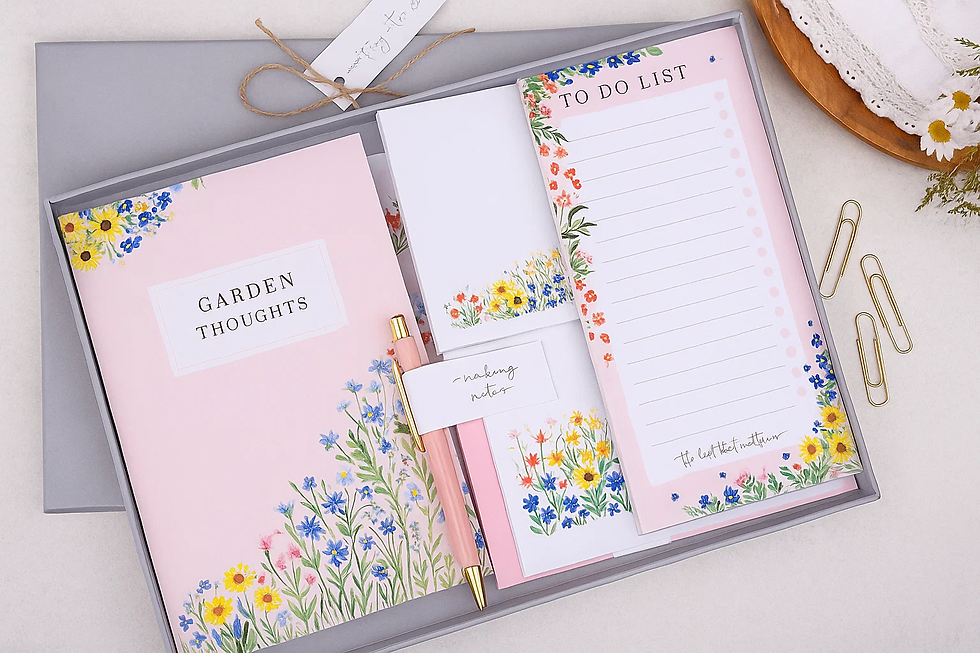
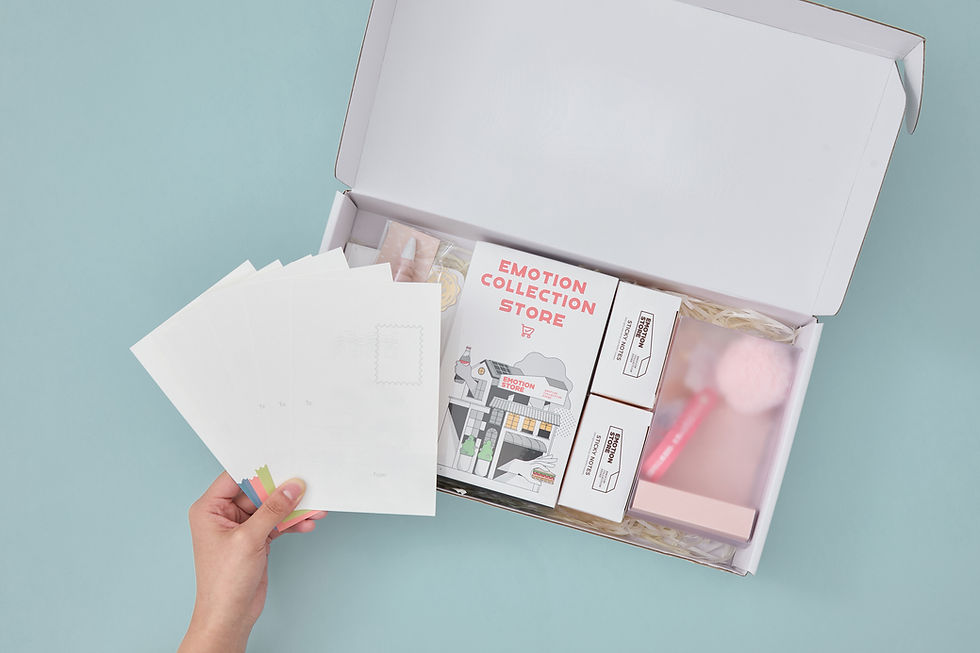
Bundles | Desk set, school kit, journaling kit | Premium box, belly band, collector card |
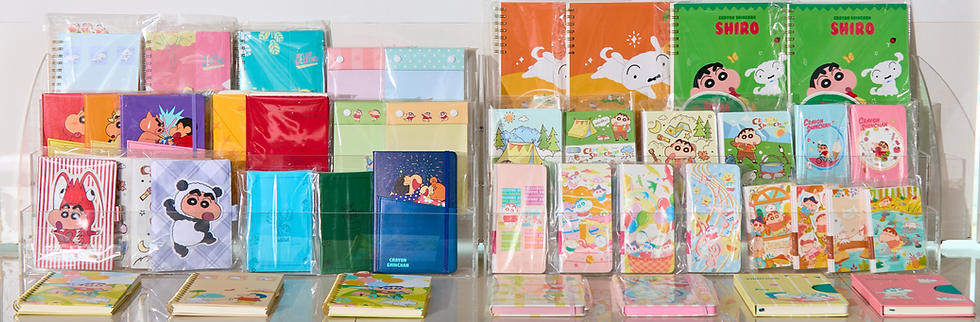
Notebooks are usually the anchor product. They offer the largest design space and are easy for fans to understand.
Consider:
A5 hardcover journal
B5 school notebook
Spiral notebook
Composition book
Planner insert
Guided journal
Sketchbook
Mini pocket notebook
Useful specs include paper weight, ruling style, page count, binding type, and cover finish. For example, a premium journal may use 100 gsm paper, lay-flat binding, foil stamping, and an elastic band. A school notebook may focus on durability, price, and bright cover art.
Pens and pencils should not feel like afterthoughts. They are small, but fans love them because they are used every day.
Good options include:
Gel pens
Ballpoint pens
Mechanical pencils
Wooden pencils
Erasers
Highlighters
Pencil toppers
Pen pouches
For children’s or art-related products, check safety and labeling rules early. In the United States, children’s products designed primarily for children 12 or younger may require third-party testing and a Children’s Product Certificate if they fall under CPSC-enforced safety rules.
These are high-margin, fan-friendly items. They also help complete the world of the collection.
A strong sticker sheet may include:
Character faces
Full-body poses
Catchphrases
Story props
Mood icons
Decorative borders
Planner labels
For washi tape, use repeat patterns instead of large character art. For paper clips, consider shaped clips or small PVC charms, but test durability before mass production.
Correspondence: Cards, Notes, and Envelopes
Greeting cards and thank-you notes are often overlooked, but they add gift value. They also work well for retailers.
Create matching sets:
Item | Suggested Detail |
Greeting card | Character scene on front, simple message inside |
Thank-you note | Small character icon, blank writing space |
Envelope | Printed liner or matching flap design |
Seal sticker | Character face, logo, or story symbol |
Box set | 8–12 cards with matching envelopes |
This category is especially strong for birthdays, holidays, fan clubs, creator merch, and gift shops.
4. Manufacturing and Production
Once the product line is planned, move into sourcing and production. This stage decides whether your idea becomes a beautiful collection or an expensive problem.
Find the Right Manufacturers
Choose manufacturers with experience in stationery, licensing, and retail packaging. Ask for samples, certifications, production photos, and references.
As a trusted eco-friendly service provider, Lion Paper Products offers comprehensive one-stop solutions from sourcing to delivery. With over 10 years of deep experience in the European and American markets, we are experts in market access requirements and import-export procedures.
Whether you need licensed IP products or coordinated product sets, we ensure you receive the best products and service at the most competitive prices.
Use this supplier checklist:
Requirement | Why It Matters |
Stationery experience | They understand paper, binding, ink, adhesives, and finishing |
Licensed goods experience | They know approval samples and brand color matching |
ISO 9001 or similar QMS | Shows a structured quality management process |
FSC chain-of-custody option | Supports responsible paper sourcing |
Testing support | Helps with children’s product, art material, or market rules |
Packaging ability | Reduces delays between product and retail presentation |
Low defect rate | Protects fan trust and licensor confidence |
ISO says ISO 9001 is designed for organizations that want to improve quality management, meet customer and regulatory requirements, and improve customer satisfaction. It covers topics such as planning, operation, performance evaluation, and improvement.
Check Paper and Sustainability Claims
If you plan to promote sustainable paper or packaging, support the claim with proof. The Forest Stewardship Council states that chain-of-custody certification verifies that companies have processes in place to produce and trade FSC-certified products. FSC also notes that certified businesses may be able to use FSC trademarks under the proper rules.
Do not print sustainability logos unless the supplier and product claim are approved. A false certification claim can harm your brand and create legal trouble.
Ensure Quality Control
Quality control is not only about avoiding defects. In licensing, quality control protects the character.
Check:
Character color accuracy
Logo placement
Paper thickness
Binding strength
Ink rub resistance
Sticker adhesive
Pen writing performance
Packaging strength
Barcode readability
Warning labels
Batch codes
Retail shelf appearance
For children’s products, CPSC says tracking labels should be visible, legible, permanently affixed where practicable, and include identifying information such as manufacturer or importer name, production location and date, and batch or run details.
For art materials such as markers, crayons, paints, or similar creative items, CPSC guidance says a statement such as “Conforms to ASTM D-4236” must appear whenever practicable on the product or otherwise on packaging or point-of-purchase materials.
Use a Pre-Production Approval Workflow
Before placing a full order, approve samples in this order:
Stage | What to Review |
Digital proof | Layout, copy, barcode, legal lines |
Color proof | Character colors, logo colors, paper stock |
White sample | Shape, binding, size, structure |
Decorated sample | Final print, finish, packaging |
Safety sample | Lab testing if required |
Licensor approval sample | Final sample for brand owner approval |
Production sample | First units from mass production |
Final inspection | Random checks before shipment |
This workflow reduces surprises and gives the licensor confidence.
5. Packaging the Collection for Retail and Online Sales
Packaging is part of the product experience. It also carries legal, brand, and retail information.
Create Packaging That Feels Collectible
Licensed character fans notice details. Use packaging to create delight.
Ideas include:
Belly bands with character icons
Window boxes for desk sets
Reusable storage folders
Collector cards
Numbered limited-edition labels
Envelope seals
Printed tissue paper
QR code to a brand-safe landing page
The packaging should show the character clearly, but it should not be crowded. Let the design breathe.
Include Required Legal and Product Information
Common packaging details include:
Packaging Element | Why It Matters |
Licensor copyright line | Shows authorized use |
Trademark notice | Protects brand identity |
Product name and SKU | Helps inventory and retail buyers |
Age grading | Important for children’s products |
Safety warnings | Required for some items |
Country of origin | Needed for import and retail compliance |
Batch or lot code | Helps trace production |
Barcode | Needed for retail checkout |
Material claims | Must be accurate and supported |
Always confirm wording with the licensor and compliance advisor.
6. Build a Launch and Marketing Plan
A licensed collection should launch with a clear story. Fans need to know why this collection exists and why they should buy now.
Create a Launch Theme
Instead of saying “new stationery is available,” give the collection a reason.
Examples:
Launch Theme | Marketing Angle |
Back-to-school drop | “Start the school year with your favorite character.” |
Journaling collection | “Turn daily notes into a fan-worthy ritual.” |
Desk makeover | “Make your workspace brighter and more fun.” |
Holiday gift set | “A ready-to-wrap gift for fans.” |
Limited collector set | “Small batch, numbered, and made for collectors.” |
Choose Sales Channels
A good channel mix depends on your budget, territory, and license terms.
Channel | Best For | Notes |
Shopify | Brand control, bundles, email capture | Best for DTC launches |
Etsy | Handmade-style or fan-gift searches | Check platform and license rules |
Amazon | Scale and search demand | Requires strong compliance and reviews |
Specialty retail | Gift shops, bookstores, museum shops | Needs wholesale pricing |
School and office stores | Back-to-school volume | Requires retail packaging and barcodes |
Pop-up events | Fan engagement | Great for limited drops |
Make sure your license allows the channels you choose.
Use Influencer Marketing the Right Way
Influencers can help you reach fans, but disclosures matter. The FTC says brands and endorsers should disclose material relationships, and its guidance covers reviews, social media influencers, and endorsements.
Use simple disclosure language such as “Sponsored by,” “Paid partnership,” or “Gifted by.” Keep it clear and visible.
Build Search and GEO Visibility
For SEO and GEO, structure your product pages so both search engines and AI answer engines can understand them.
Add:
Clear product titles
Short answer-style descriptions
Product specs tables
FAQ sections
Official license language
Safety and certification details
High-quality images with descriptive alt text
Schema markup for Product, FAQPage, and Article content where suitable
Google explains that structured data helps Google understand page content. Its documentation also covers FAQ structured data and Article markup for better machine-readable context.
7. Trust Signals to Show Buyers, Retailers, and Licensors
Trust signals are not decoration. They reduce buyer doubt and support long-term licensing relationships.
Recommended Trust Signal Checklist
Trust Signal | Where to Show It |
Official licensed product statement | Product page, packaging, footer |
Licensor approval note | Product page or wholesale deck |
FSC paper claim, if valid | Packaging, product specs |
ISO 9001 supplier certification, if valid | Vendor file, buyer deck |
Children’s Product Certificate, if required | Compliance folder, retailer portal |
ASTM D-4236 statement, if required | Product or packaging |
Batch code and tracking label | Product, packaging |
Influencer disclosure policy | Campaign brief |
Return and defect policy | Website and wholesale terms |
Example Product Page Trust Block
Official Licensed Character Stationery Set
This collection is produced under license and designed according to the approved character style guide. Each item has passed internal quality checks for print color, paper finish, binding, and packaging condition. Children’s items and art materials are reviewed for applicable labeling and testing requirements before release.
This kind of clear wording helps customers, retailers, and AI systems understand the product’s legitimacy.
8. Example Collection Plan
Here is a practical sample plan for a complete licensed stationery collection.
Product | Quantity in Collection | Key Feature | Retail Role |
Hardcover journal | 2 designs | Foil cover, quote pages | Premium hero item |
Spiral notebook | 3 designs | Character cover art | School/work staple |
Gel pen set | 1 set of 4 | Printed barrels | Add-on purchase |
Sticker sheets | 3 sheets | Expressions and icons | High-margin fan item |
Washi tape | 2 rolls | Repeat pattern | Journaling accessory |
Sticky notes | 2 pads | Shaped character notes | Desk item |
Greeting cards | 1 boxed set | Matching envelopes | Gift category |
Paper clips | 1 pack | Character-shaped clips | Novelty item |
Collector bundle | 1 set | Box, card, full assortment | Launch centerpiece |
A collection like this gives fans different price points. Some buyers may only want stickers. Others may buy the full collector bundle.
9. Common Mistakes to Avoid
Licensed stationery can fail when the process is rushed. Watch out for these mistakes.
Mistake 1: Designing Before Securing Rights
Never build a public product campaign before the license is signed. Even concept art can create problems if shared too early.
Mistake 2: Treating Approval as a Formality
Licensor approval is not a rubber stamp. A character owner may reject colors, poses, slogans, materials, or packaging.
Mistake 3: Making Too Many Products at Once
Start with a focused collection. Too many SKUs increase cash risk, storage needs, and quality control issues.
Mistake 4: Ignoring Safety and Labeling
Pens, markers, erasers, adhesives, and children’s stationery may have safety rules. Check early, not after production.
Mistake 5: Weak Packaging
Licensed products often compete on shelf appeal. Packaging should make the character easy to recognize and the set easy to gift.
Conclusion
Turning a licensed character into a complete stationery set and collection takes more than attractive artwork. It requires legal rights, a clear design system, smart product planning, reliable manufacturing, licensor approval, and a launch strategy that speaks to real fans.
The strongest collections feel useful, collectible, and true to the character. They also show proof: official licensing, quality control, safety checks, responsible sourcing claims, and clear product information. When these pieces work together, a stationery line can become more than merchandise. It can become a daily fan experience.
—Leo Xia, CEO, Lion Paper Products
You design, we deliver.
FAQs:
Q1: What is the first step in creating licensed character stationery?
The first step is securing written licensing rights from the character owner or authorized licensing agent. The agreement should clearly cover stationery products, sales territory, royalty terms, approval rules, and sales channels.
Q2: What products should be included in a complete stationery collection?
A complete collection often includes notebooks, journals, pens, pencils, stickers, washi tape, sticky notes, bookmarks, folders, greeting cards, envelopes, and a giftable bundle.
Q3: Do licensed stationery products need safety testing?
Some do. Children’s products, art materials, and items with coatings, inks, small parts, or adhesives may need testing or specific labels depending on the market. In the U.S., certain children’s products require third-party testing and a Children’s Product Certificate.
Q4: What makes a licensed stationery set feel premium?
Premium details include thick paper, strong binding, smooth ink, accurate character colors, foil stamping, collectible packaging, matching accessories, and a clear theme.
Q5: Should I use FSC-certified paper?
FSC-certified paper can be a strong trust signal if your supplier and product claim are valid. FSC chain-of-custody certification helps verify responsible sourcing processes for paper and packaging.
Reference
https://www.cpsc.gov/Business--Manufacturing/Testing-Certification/Childrens-Product-Certificate
https://www.cpsc.gov/business--manufacturing/business-education/business-guidance/art-materials
https://www.ftc.gov/business-guidance/advertising-marketing/endorsements-influencers-reviews
https://developers.google.com/search/docs/appearance/structured-data/intro-structured-data
Are you looking for a reliable manufacturer? Reach out to Lion Paper for a free quote and consultation. Let’s collaborate on creating custom writing paper products that will set your brand apart from the competition!
About Lion Paper
Company Name: Lion Paper Products
Office Address: 20th floor, Chuangyedasha Building, No. 135, Jinsui Road, Jiaxing City, Zhejiang Province, China
Factory Address: No.135, Xuri Road, Jiaxing City, Zhejiang, China
Email: Leoxia@lion-paper.com
Audit Certifications: ISO9001:2015/FSC/SEDEX SMETA/Disney FAMA/GSV/SQP
Comments